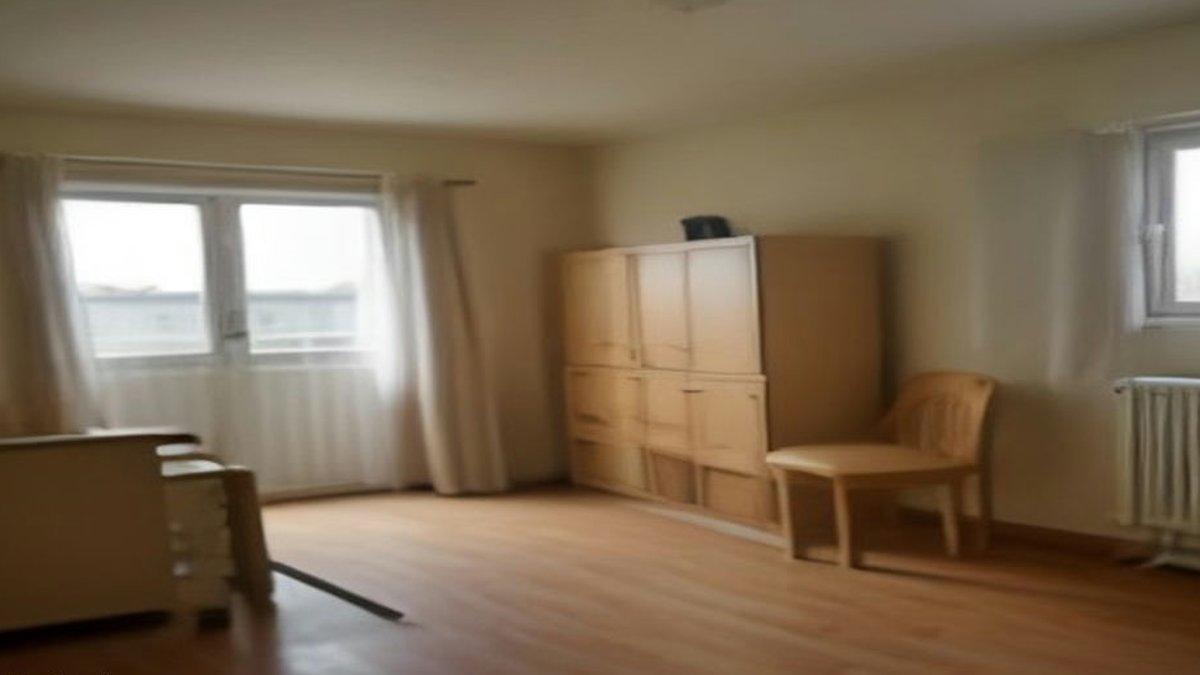
Under the 13th Malaysia Plan, the Health Ministry plans to fix more than 2,000 staff quarters that are either damaged or pose safety risks, spread across different phases. Out of the 21,167 total quarters nationwide, 2,725 will be addressed using a RM100 million budget, according to the ministry’s announcement.
A total of RM34mil has been allocated for the repair, upgrade and maintenance of 760 quarters under phase 1 of the 13th Malaysia Plan. The remaining 1,965 quarters will be repaired in stages based on priorities determined by the respective state Health Departments under phase 2, which will begin next year.
Dr. Sivanaesan Letchumanan, president of the Malaysian Medical Association, highlighted concerns about neglected staff housing, especially in isolated and rural regions. He pointed out that unreliable roads, along with frequent power and water disruptions in these areas, worsen the difficulties faced by medical staff.
Dr. Sivanesan stressed that healthcare workers should not face inadequate living conditions after long shifts. He urged that upgrades in remote and rural quarters be made a priority, ensuring stable water, electricity, and internet access for residents.
Healthcare professionals stationed far from their families in rural areas depend on reliable connections to maintain their well-being. Dr. Sivanesan argued that proper housing is not a luxury but a fundamental right for those serving distant communities.
Datuk Dr. Zainal Ariffin Omar, a former deputy director of the Health Ministry, observed that urban and newly constructed quarters generally remain functional. However, those in remote or deep interior regions, such as parts of East Malaysia, often suffer from decay, outdated wiring, and faulty plumbing systems.
Datuk Dr Zainal Ariffin Omar noted that there is a consensus that a blanket nationwide upgrade strategy is overdue. He added that modern policy discussions focus on a structural shift rather than just fixing old walls, and that the capital requirements to bring every unit up to liveable standards may easily exceed a single year’s fiscal allocation.
The repair of staff quarters is expected to improve the living conditions of healthcare workers, which is essential for attracting and retaining doctors and other healthcare professionals in rural and remote areas. By providing safe, decent housing and reliable basic amenities, the government can invest in healthcare workforce retention and the long-term sustainability of healthcare services, especially for rural communities.





Leave a Reply