Mitsui Chemicals has launched InnoCell P-Type, a new adherent cell culture plate designed to improve the accuracy of drug testing. The firm combines its proprietary oxygen-permeable material with surface treatment technology to support organoids and other three-dimensional models. This approach addresses challenges with densely growing cells and thick tissues that often suffer from oxygen deprivation, which can affect cell function and test reproducibility.
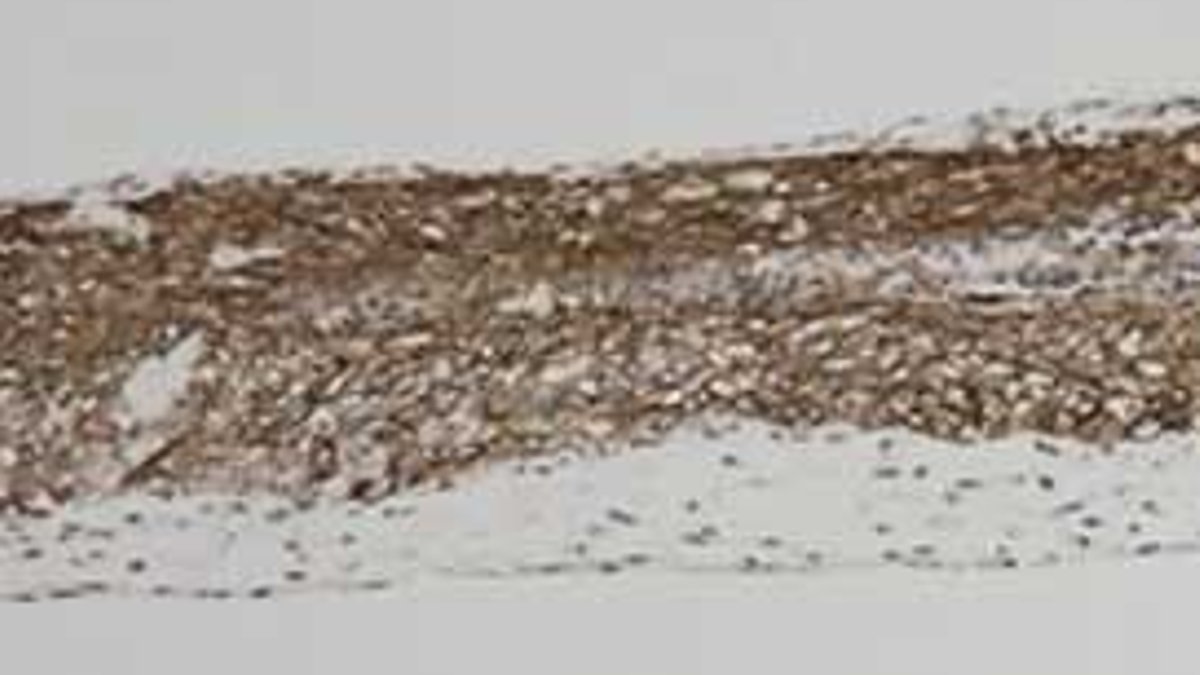
Researchers have created a cell culture plate with unique properties, including high oxygen permeability, minimal autofluorescence for clearer imaging, and reduced drug adsorption to prevent interference with test substances. Dr Hidetoshi Masumoto from Kansai Medical University utilized these plates to grow cardiac organoids from human induced pluripotent stem cells, observing that they produced more consistent tissue thickness and a higher concentration of cardiomyocytes expressing the cardiac marker troponin T compared to traditional polystyrene plates. This outcome highlights the potential of the InnoCell P-Type plates to enhance cell culture techniques.
Read Also: Ministry acts to fill nurse vacancies
According to Dr Masumoto, the results indicate that using culture vessels with adequate oxygen supply can facilitate the development of 3D cardiac tissue models. Meanwhile, Dr Jonny Sexton from the University of Michigan Medical School’s Department of Gastroenterology and Hepatology assessed human intestinal organoid monolayers using the InnoCell P-Type plates, finding that they allowed for more accurate and consistent evaluation of epithelial barrier function compared to conventional cell culture inserts. The low autofluorescence of the plates may also enhance high-content imaging and high-throughput screening of intestinal barrier function.





Leave a Reply