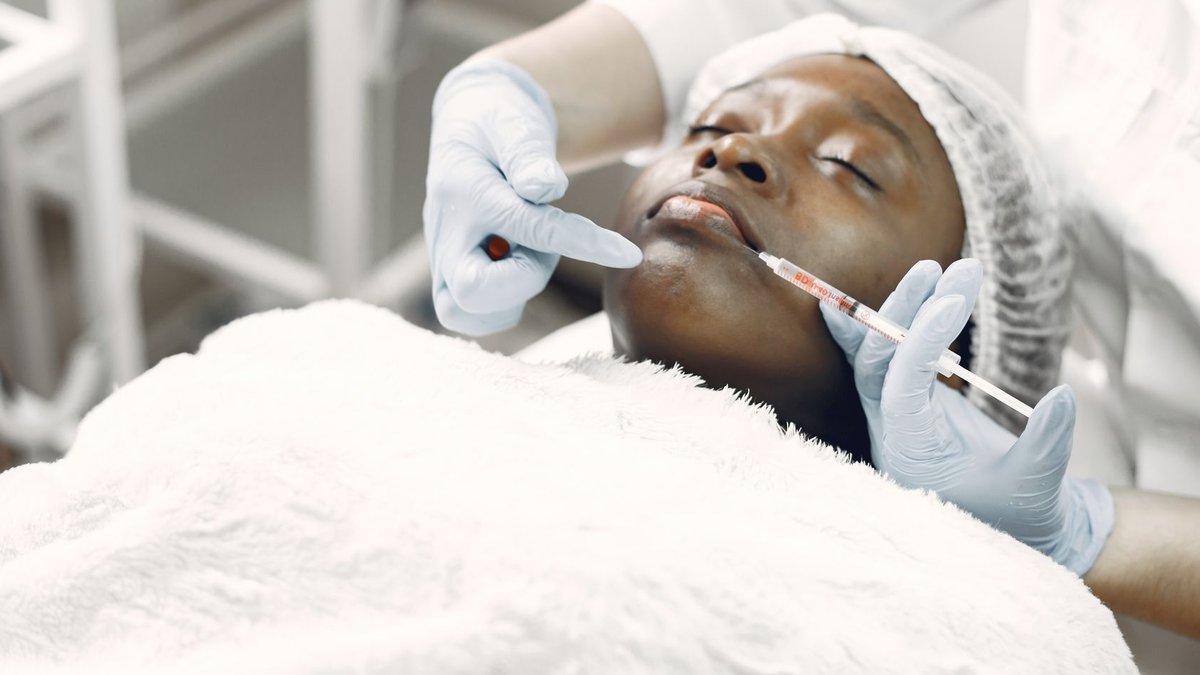
Patients who have switched from intravenous infusions to subcutaneous cancer treatment are reporting advantages that go beyond the reduced time spent in a clinic.
Breast cancer survivor finds a psychological lift
Kelly Morrow McCarthy, 35, was diagnosed with stage 3C metaplastic HER2‑positive breast cancer in early 2024. After surgery, radiation and a course of IV chemotherapy, she received a port implanted in her chest to facilitate drug delivery. For the final phase of her therapy, doctors offered her six rounds of Phesgo, a sub‑q injection that combines trastuzumab, pertuzumab and hyaluronidase.
“Once I started doing Phesgo, it went so fast,” McCarthy said. “Most days, I would walk in, wait a bit, get the injection, and be off on my merry way.” The speed of the injection was welcome, but the patient noted a deeper impact.
Related: Who should consider gastric sleeve surgery
She explained that removing the port felt like “taking a step away from being a cancer patient and a step toward survivorship.” The shift from a visible device to a brief injection under the skin helped her feel less tethered to her illness. A recent MRI performed on January 15, 2026, showed no evidence of disease, marking a hopeful milestone in her recovery.
Multiple myeloma veteran chooses a less burdensome option
Nima Palma, 58, has lived with multiple myeloma since 2010 and has undergone twelve distinct treatments, including a stem‑cell transplant and two clinical trials. After four years of receiving daratumumab (Darzalex) via IV infusion, she asked for a break from the routine.
When her oncologist later suggested trying Darzalex Faspro, a sub‑q formulation of the same medication, Palma agreed. “It was just the pre‑meds and then the shot,” she recalled. “It was wonderful.” The new method reduced her clinic time from hours to minutes, allowing her to resume a more manageable schedule.
Palma continues to have blood work every four weeks, and her disease remains stable. She attributes a portion of her sustained remission to the flexibility the sub‑q option provided during a critical transition period.
Related: Dementia and the law when capacity fades
The change saves time.
From a practical standpoint, sub‑q treatments reduce the physical burden of lengthy infusions and the emotional weight of visible medical devices. They also create a safety net for patients who cannot tolerate IV administration due to reactions or other complications.
In everyday terms, the shift to sub‑q can mean more time at home and less time watching the clock in a waiting room. For families, it translates into fewer disruptions to work schedules and school routines, which can be a subtle but meaningful improvement in quality of life.
Related: Lifestyle changes slash dementia cases, but how
What patients say about the broader impact
Across the stories, a common thread emerges: subcutaneous cancer treatment offers a sense of normalcy that intravenous therapy often cannot. While speed is frequently highlighted, the psychological relief of not having a port or enduring long infusion sessions appears equally significant. Patients described feeling “less burdened,” “more in control,” and “able to focus on life outside of cancer.” These sentiments suggest that the mode of delivery can influence both treatment adherence and emotional‑well‑being.
Healthcare providers are increasingly aware of these benefits, and many are incorporating sub‑q options into treatment plans when appropriate. The availability of sub‑q formulations for drugs such as trastuzumab, pertuzumab, and daratumumab expands the toolkit for oncologists seeking to tailor therapy to individual patient needs.
For anyone considering a switch, the recommendation is clear: discuss the option with your oncologist, weigh the medical suitability, and factor in how the delivery method fits into daily life. As more data emerge, sub‑q therapy may become a standard component of cancer care, offering patients a pathway that aligns treatment efficiency with personal comfort.




Leave a Reply