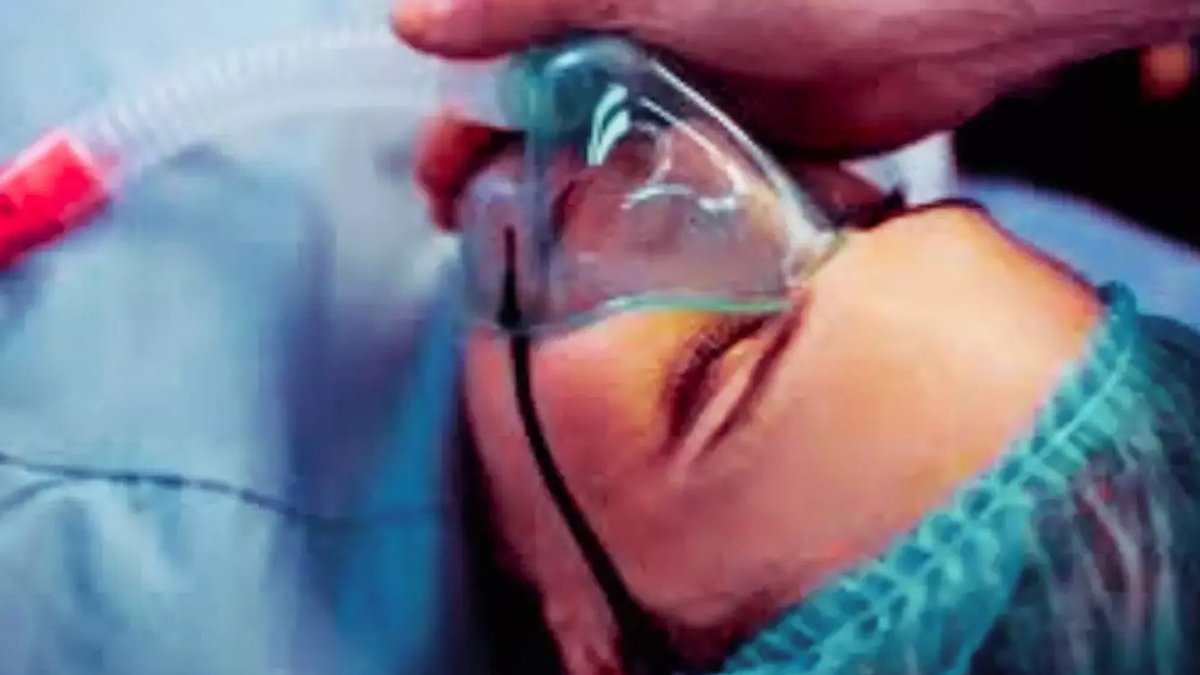
A new study published in the Journal of American Medical Association found that an automated oxygen titration device improved oxygen control in acutely ill adults. The device decreased times of low and abnormally high blood oxygen levels, helping patients spend more time within a safe target oxygen range. The results were similar across prespecified subgroups.
Hospitalized individuals with acute diseases or respiratory issues often receive supplemental oxygen. However, manual adjustment of oxygen flow by professionals can lead to varying oxygen levels between routine examinations. Such fluctuations may expose patients to periods of hypoxia or hyperoxia, conditions that carry clinical risk.
Oxygen levels that are too high or too low can be dangerous. The study aimed to determine if an automated system could more effectively modify oxygen administration and maintain blood oxygen saturation within a predefined range.
The multicenter, unblinded, randomized clinical trial involved 300 hospitalized patients receiving supplementary oxygen because of severe respiratory sickness, burns, trauma, or illnesses requiring immediate surgery. Participants were randomized to receive either autonomous oxygen titration or standard care.
The main outcome measured was the percentage of time spent with oxygen saturation between 90% and 96%. Patients handled with autonomous oxygen titration spent 85% of their observed time in the target oxygen range, compared to 63% with standard care.
The automated technology also significantly decreased excess oxygen exposure, with patients spending just 9.2% of their time with oxygen saturation levels above 96%, compared to 29.1% for those receiving standard care.
In acutely unwell hospitalized individuals, autonomous oxygen titration improved overall oxygen stability. The device lowered both low and excessively high oxygen levels when compared to human oxygen adjustment.
The study focused on oxygenation control rather than clinical outcomes such as mortality, respiratory failure, or length of hospital stay. More research is needed to evaluate whether enhanced oxygen regulation leads to better outcomes for patients, and future trials may address those endpoints.
The autonomous system also utilized less supplementary oxygen, albeit the difference was not significant.





Leave a Reply