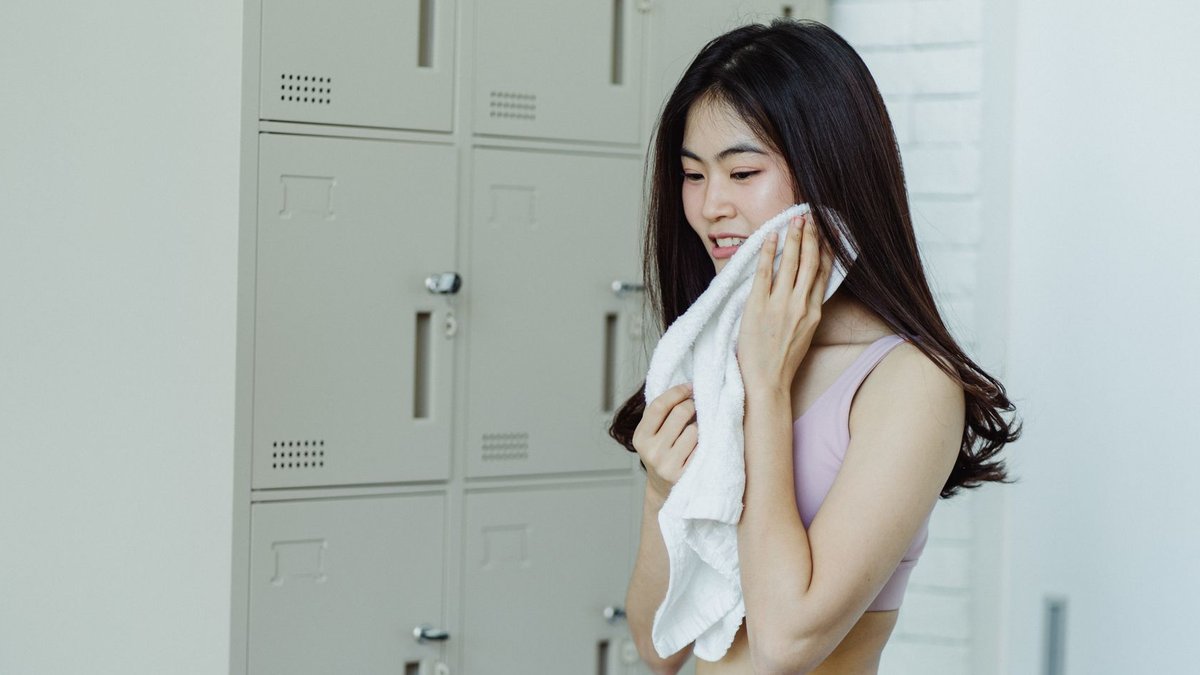
As climate change fuels more frequent and intense heat waves, researchers are diligently working to understand how extreme heat specifically affects people with cancer. In a recent pilot study published in the journal Environmental Research: Climate, patients with cancer reported being physically and mentally impacted by extreme heat, which notably affected their daily routines, mental well-being, and even financial decisions. “Throughout the process of going to treatment, people with cancer deserve to have their quality of life protected, and protection from environmental risk factors is inherently a part of that protection,” said lead study author Kilan Ashad-Bishop, PhD, an affiliated member of the Cancer Control Program at Sylvester Full Cancer Center and an assistant professor of Environmental Science and Policy at the University of Miami Rosenstiel School of Marine, Atmospheric, and Earth Science.
What the Study Showed
Researchers say people with cancer may be especially vulnerable to extreme heat because treatment side effects, like fatigue and dehydration, other health conditions, and the financial costs of cancer can make staying cool more difficult. To learn more, Dr. Ashad-Bishop and her colleagues interviewed 20 adults with a history of cancer living in South Florida. “Ours is the first qualitative investigation that’s really dug into the depths of people’s experiences with heat and thought about what it looks like to consider medical vulnerability to extreme heat when there is not a known biological exacerbation,” Dr. Ashad-Bishop said.
The interviews illustrated four main themes: Extreme heat affects quality of life among people with cancer; lifestyle adjustments are often necessary to stay cool; there may be missed opportunities to discuss heat-related concerns with care teams; and social support can help people with cancer adapt to extreme heat. Researchers also showed that the constant need to adapt took a toll. Rather than experiencing a single, stressful event, many participants described the cumulative burden of making constant trade-offs and decisions about transportation, exercise, finances, and daily activities.
“No one said, ‘I’m drowning,’” Dr. Ashad-Bishop said. “But when we asked additional questions about trade-offs, we were not hearing reports of normal things. For example, you are not normally dipping into your 401(k), and you are not normally pawning jewelry. While we don’t have enough data on this, we hypothesize that there is some limit folks might hit in their ability to handle things.” During the interviews, researchers asked about extreme heat events, but many participants described challenges with chronic heat. And some of the adjustments they made to cope, such as staying home more often, continued long after treatment ended.
“Some of these became lasting lifestyle choices,” Dr. Ashad-Bishop said. “That’s a reason for concern. Because social isolation became a pattern, adjusting physical activity became a pattern, and making risky financial decisions patterned by medical and cooling expenses became a lasting consequence of cancer treatment.” Interestingly, heat didn’t affect treatment adherence as much as the research team expected. Dr. Ashad-Bishop said for most people in the study, making it to treatment was a non-negotiable, even if everything else had to shift.
“There were one or two reports of missing appointments, but it wasn’t a frequent sentiment by any means,” she said. “These folks were committed to showing up to their appointments, and I commend them for that, because we did go in thinking that there would be more to study when it came to treatment disruptions.” Because the study was based on in-depth interviews with 20 people rather than a large clinical trial, it offers insight into patients’ lived experiences but cannot show how common those experiences are among all people with cancer. Additional studies are needed to better understand how heat affects people with cancer in different settings and populations.
Practical Tips for Staying Safe in the Heat
Managing extreme heat requires planning ahead, and there isn’t a one-size-fits-all approach. The best strategies for staying safe in the heat depend on individual health, treatment, and access to resources. Here are some practical tips to consider:
- Plan errands and outdoor activities for early morning or evening hours when temperatures are lower.
- Ask your care team if earlier appointment times are available during hot weather.
- Arrange a ride with family, friends, or a transportation service, when possible, to reduce time spent walking or waiting outside in the heat.
- Use air conditioning, fans, ice packs, or cooling towels to stay comfortable.
- Spend time in air-conditioned public spaces, such as libraries, malls, or community centers, if your cooling options at home are limited.
- Wear lightweight, breathable clothing on hot days.
- Stay hydrated and take breaks in shaded or cool areas when outside.
Dr. Ashad-Bishop noted that some study participants believed they had to make certain lifestyle changes, like staying indoors for long periods. But in some cases, those changes were unnecessary for those individuals and led to unintended consequences, like social isolation and reduced physical activity. Dr. Ashad-Bishop recommends discussing potential lifestyle changes with your care team first. “Before you make adjustments that may affect your health in other ways, have a conversation with a healthcare provider about that choice,” she said. “And figure out how you can protect yourself from extreme weather in ways that are health protective.”
Related: Breakthrough in advanced breast cancer therapy
Questions to Ask Your Doctor
Extreme heat affects everyone differently, and factors such as your cancer type, treatment, medications, and overall health may influence how your body responds. Talk with your care team about your individual risks and how to stay safe. Consider using these questions to start the conversation:
- Do any of my cancer treatments or medications make me more sensitive to heat or dehydration?
- Are there specific warning signs of heat-related illness I should be aware of?
- Is it safe for me to exercise outdoors if I go early in the morning or later in the evening?
- Should I avoid being outside during certain temperatures or humidity levels?
- Do you recommend making any changes to my daily routine during periods of extreme heat?
- Are there ways to adjust my treatment schedule or appointments during very hot weather?
- If I have limited access to air conditioning, what resources or support options might be available to me?
Dr. Ashad-Bishop said some participants were hesitant to bring up heat-related concerns, but those conversations often led to unexpected support. Some people learned about transportation assistance or community resources, while others found that family and friends stepped up to help in new ways. Speaking up about your challenges can also help improve care for future patients. “Some people might wonder, ‘Why would I bring up an additional concern? I can handle it,’” Dr. Ashad-Bishop said. “But what you handle doesn’t necessarily go beyond you. Whereas, if you share the discomfort you’re experiencing with your physician, that physician goes on to treat hundreds or even thousands of other patients who might receive better care because you spoke up.”
“You Deserve to Be Heard”
As climate change brings more frequent and intense heat, Dr. Ashad-Bishop believes healthcare systems will need to rethink supportive cancer care. That includes helping patients handle heat-related challenges and ensuring they have access to resources that can help them stay safe. “There’s a need to think about supportive care services extending beyond basic needs and starting to think about needs patterned by the world that’s changing around us,” Dr. Ashad-Bishop said. “We talk a lot about outdoor heat exposure and assume that people have the cooling resources they need to cool their homes. But from an equity lens, we know that’s not true.”
Dr. Ashad-Bishop also said she believes public policies will need to evolve to better support people with cancer during extreme heat. Many assistance programs currently rely on factors such as age, income, or whether someone has children, but those eligibility requirements may not fully capture the needs of medically vulnerable people. “Cancer is veering younger and younger, and it’s starting to affect populations who might not yet be eligible for Medicare or who might not yet be low income,” Dr. Ashad-Bishop said. “But these are vulnerable groups.”
Until healthcare systems and policies catch up to the realities of climate-related health risks, people with cancer will likely need to advocate for themselves. “It’s an unfair burden in the context of a cancer diagnosis, but it is, unfortunately, the reality,” Dr. Ashad-Bishop said. “In some cases, self-advocacy may be the only way to get what you need while we figure out how to fix these structural issues. The onus shouldn’t be on you, but that’s where it is for now until we put it where it belongs.” She encourages patients to speak up and ask for help if extreme heat affects their daily lives or makes it harder to manage treatment.
“There’s a lot we don’t know yet about people with cancer and their experiences with heat,” Dr. Ashad-Bishop said. “But the lack of scientific evidence does not erase the validity of your experience. It’s important to lean fully into your lived experiences. Of course, listen to and take the advice of medical experts, but realize that there is also expertise in your own experience. You deserve to be heard, and you deserve to be cared for.” To read the complete study, visit “When It Comes to Heat, I Retreat: Heat Impacts and Adaptation Practices Among People with Cancer.”
© 2026 HealthCentral LLC. All rights reserved.



Leave a Reply