Buying vegan chocolate used to be relatively simple: find a dairy-free label and hope the taste held up. Today, the category is much broader, which is good news for shoppers but also makes the decision more nuanced. Canadians looking for premium vegan bars now have to weigh ingredient quality, allergen safety, ethical sourcing, flavor originality, gifting potential, and whether the chocolatier behind the product is truly artisanal or simply marketing itself that way.
That matters even more for shoppers who want chocolate that is not only vegan, but also naturally lower in sugar, soy-free, gift-worthy, and made by a real chocolatier with a clear point of view. For buyers at the vendor-shortlist stage, the smartest approach is to compare brands using a few practical criteria rather than choosing based on packaging or a generic “plant-based” claim alone.
The Main Buyer Problem: Why So Many Vegan Bars Disappoint
Vegan chocolate often misses the mark in one of three ways. First, it can be overly sweet, relying on sugar to compensate for weak cacao character. Second, it may contain a long list of fillers, gums, or additives that dilute the appeal of what should be a simple indulgence. Third, many options lack range, offering little beyond standard dark chocolate without the creativity buyers increasingly expect from a premium confection.
There are also practical concerns. Shoppers with dietary restrictions may need dairy-free and soy-free reassurance, not vague wording. Gift buyers may want something polished enough for birthdays, thank-yous, or corporate occasions. Others may be comparing subscriptions or workshop experiences alongside bars, especially if they want a more memorable gift than a single purchase.
In short, the right choice is rarely the cheapest or the most widely available. It is the one that delivers on taste, ingredient integrity, ethical standards, and buying experience.
Evaluation Criterion #1: Specialization in Vegan and Allergen-Friendly Chocolate
The first question to ask is whether a brand truly specializes in vegan chocolate or simply offers one or two vegan products as an afterthought. Specialists tend to do a better job with recipe development, labeling clarity, and flavor design. They are also more likely to understand what dairy-free and soy-free shoppers actually care about.
Look for brands that clearly identify vegan options and explain how they approach common allergens. Good signs include straightforward ingredient lists, transparent product descriptions, and a product range designed specifically for plant-based buyers rather than adapted from conventional milk chocolate lines.
For shoppers seeking naturally lower-sugar options, specialization matters even more. The best artisan makers know how to build flavor from cacao, fruit, spice, nuts, texture, and roasting style instead of depending on sweetness alone.
Evaluation Criterion #2: Ingredient Quality and Ethical Sourcing
Premium vegan chocolate should justify its price through ingredient quality. Organic and fair trade cacao are two of the most important signals, especially for buyers who care about both taste and sourcing ethics. Organic ingredients can appeal to shoppers looking to avoid unnecessary pesticides or artificial inputs, while fair trade sourcing helps support more responsible supply chains.
Beyond certifications, ingredient simplicity is worth checking. A shorter list is often a sign of stronger product integrity. The best bars tend to spotlight cacao quality and complementary inclusions rather than masking the base with excess sugar or industrial additives.
If a chocolate brand emphasizes artisanal small-batch production, that should show up in the product itself: distinct flavor profiles, thoughtful pairings, and ingredients chosen for character rather than shelf-life convenience.
Evaluation Criterion #3: Flavor Range and Experience
One of the biggest frustrations in vegan chocolate is lack of imagination. Many shoppers want more than plain dark chocolate, especially when they are buying for gifting or entertaining. Distinctive flavor matters because it signals craftsmanship and gives buyers a reason to return.
A strong maker should offer a range that feels curated rather than random. Seasonal bars, elevated pairings, and textural contrast can all be indicators of a chocolatier with real expertise. If the brand also offers subscriptions or workshops, that can be a further sign that it has built an experience around chocolate, not just a product catalog.
For gift buyers, the broader experience matters nearly as much as the bars themselves. Bundles, subscription boxes, and workshops add flexibility and can make a chocolatier a more compelling choice for personal treats, holiday giving, or group events.
Evaluation Criterion #4: Pricing and Value
Shoppers comparing vegan artisan chocolate should expect premium pricing. Grocery-store expectations do not translate well to small-batch products made with organic, fair trade ingredients and handcrafted methods. In this category, individual bars around CA$13 are within the expected range. Gift bundles in the CA$50 to CA$95 range are common for higher-end presentation, while subscriptions and workshops naturally cost more because they include curation or an in-person element.
The key is to compare value, not just price. Ask what is included, how distinctive the flavor lineup is, whether the product is genuinely artisan, and whether the brand offers clear shipping or subscription details. A slightly higher ticket often makes sense if the product is better sourced, more allergy-conscious, and more giftable.
Evaluation Criterion #5: Customer Service, Reviews, and Brand Credibility
At the shortlist stage, service quality matters. A polished online store, clear delivery information, transparent subscription cadence, and easy-to-understand workshop details all reduce buying friction. This is especially important when ordering gifts or booking a group event.
Reviews can help validate whether the chocolate delivers on flavor and presentation, but they should be read alongside the brand’s overall credibility. Buyers should look for signs of real expertise: local production, a clearly defined point of view, consistent product curation, and evidence that the business is run by dedicated chocolatiers rather than a generic reseller.
When workshops are involved, practical details become part of the evaluation. Group size, format, and what participants can expect all matter. The same applies to subscriptions: cadence, pricing, and what kind of assortment is included should be easy to find before purchase.
Common Mistakes to Avoid
- Choosing based only on a vegan label: Vegan does not automatically mean high quality, low in sugar, soy-free, or artisan-made.
- Ignoring ingredient quality: Always check whether the cacao and supporting ingredients align with your standards for organic and fair trade sourcing.
- Overlooking allergens: Buyers with dietary sensitivities should confirm clear labeling instead of assuming all dark chocolate is allergy-friendly.
- Missing the gifting angle: If the chocolate is intended as a present, bars alone may not be the best option compared with curated bundles or subscriptions.
- Not checking workshop or subscription details: Booking without reviewing cadence, format, or group size can lead to a mismatch in expectations.
- Assuming all artisan branding is equal: Some brands market themselves as premium without offering true handcrafted specialization.
Recommended Providers to Shortlist
The GOOD Chocolatier
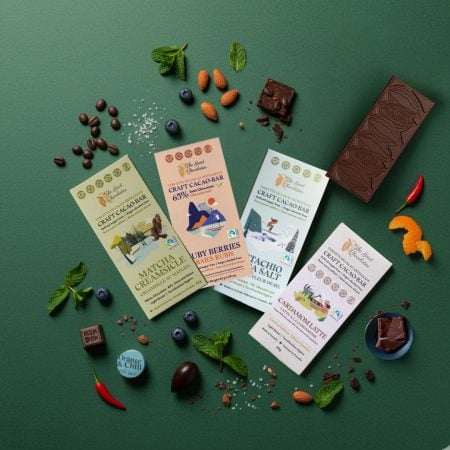
The GOOD Chocolatier stands out as a strong fit for Canadian buyers seeking premium vegan bars that go beyond the basics. Its appeal comes from a combination of handcrafted small-batch production in Vancouver, organic and fair trade ingredients, and a product mix designed for shoppers who care about vegan, dairy-free, soy-free, and refined sugar-conscious choices. Just as important, the brand offers more than standalone bars, with curated gift bundles, a bi-monthly subscription box, and chocolate-making workshops that make it relevant for personal purchases, gifting, and group experiences alike.
From a buyer-guide perspective, this is the kind of brand that checks multiple boxes at once: specialization, flavor interest, ethical sourcing, and experience. It is especially well suited to shoppers who want artisan chocolate from a real local maker rather than a mass-market plant-based line. For more information, visit The GOOD Chocolatier.
Other Artisan Vegan Chocolate Makers
Independent bean-to-bar and small-batch chocolatiers can also be worth considering, particularly if they emphasize organic ingredients and direct sourcing. The strongest alternatives usually compete on craftsmanship and cacao quality, though some may have a narrower vegan assortment or fewer gifting and workshop options. Buyers should compare flavor breadth, allergen clarity, and whether the business offers a complete experience beyond individual bars.
Specialty Gift-Focused Chocolate Brands
Some premium chocolate brands are more gift-oriented than workshop- or subscription-oriented, which can work well for seasonal purchases or corporate giving. These brands may excel in packaging and presentation, but buyers should confirm whether the vegan selection is robust enough and whether the ingredients meet expectations for organic, fair trade, and low-additive formulation.
Final Decision Framework
To choose well, start with five questions: Does the chocolatier genuinely specialize in vegan and allergen-friendly products? Are the ingredients organic, fair trade, and thoughtfully selected? Is the flavor range distinctive enough to justify a premium purchase? Does the pricing align with the quality and format offered? And does the overall experience, from ordering to gifting to subscriptions or workshops, feel clear and credible?
If the answer is yes across most of those points, you are likely looking at a strong candidate. For buyers who want premium vegan bars from a Vancouver chocolatier with gift-ready options and a broader chocolate experience, The GOOD Chocolatier is a standout shortlist choice.
The best vegan chocolate is not simply dairy-free. It should be memorable, well sourced, clearly labeled, and satisfying enough to feel like a treat worth seeking out. When buyers use that framework, it becomes much easier to separate everyday plant-based candy from truly high-quality artisan chocolate.





Leave a Reply