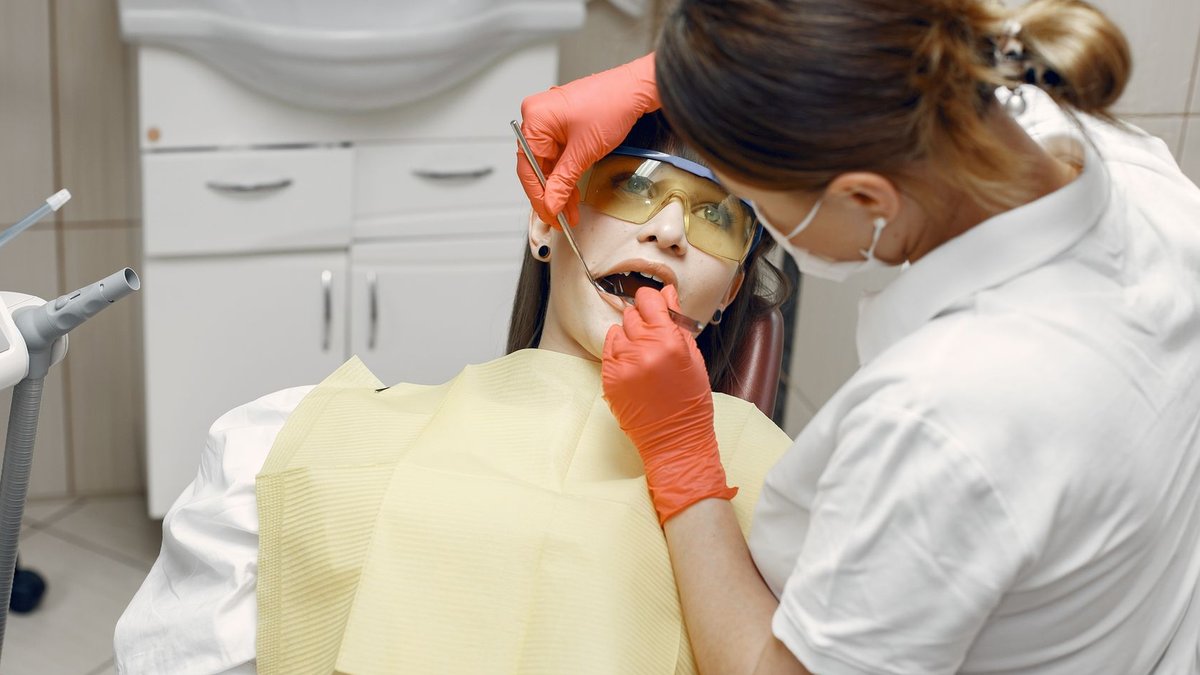
Systemic mastocytosis (SM) can make routine dental care challenging due to potential reactions to medications like epinephrine, commonly found in local anesthetics. Patients with SM may feel apprehensive about dental procedures because of these risks. The presence of epinephrine in local anesthetics can be particularly problematic, as it can trigger severe reactions in some individuals. Furthermore, other medications used during dental procedures, such as opioid pain medications, NSAIDs, antibiotics, and chlorhexidine, can also pose a risk to patients with SM.
Dental Care Challenges with Systemic Mastocytosis
Various ingredients and medications used during dental procedures, such as opioid pain medications, NSAIDs, antibiotics, and chlorhexidine, can trigger reactions. For individuals who have experienced severe reactions to epinephrine or other dental medications, finding a willing dentist can be difficult. In some cases, patients may need to undergo extensive testing to determine which medications they can tolerate, and which ones pose a risk. This can be a time-consuming and frustrating process, especially for those who require urgent dental care.
Establishing care with an allergist or immunologist is the first step towards safe dental care. These specialists can perform skin testing to evaluate tolerance to alternative local anesthetics, including epinephrine-free options. The skin testing process typically involves exposing the patient to small amounts of the medication, and monitoring their reaction. This can help identify which medications are safe for use, and which ones should be avoided. In some cases, the allergist or immunologist may also recommend pre-medications, such as antihistamines or corticosteroids, to help reduce the risk of a reaction during dental procedures.
Managing Allergies and Reactions
For patients with multiple allergies or complex reaction histories, desensitization procedures may be discussed. These involve controlled exposure to a substance over time to reduce sensitivity. The desensitization process can be lengthy, and may require multiple sessions. However, it can be an effective way to reduce the risk of a reaction, and allow patients to receive necessary dental care. Pre-medications like antihistamines or corticosteroids can also help lower reaction risks before dental procedures. These medications can be taken before the procedure, to help reduce inflammation and prevent a reaction.
A multidisciplinary team at an academic medical center with an affiliated dental program can coordinate care to ensure safety during procedures. Such institutions are often better equipped to manage complex cases, and can provide a team of specialists, including allergists, immunologists, and dentists. This team can work together to develop a personalized treatment plan, taking into account the patient’s specific needs and medical history. By working together, the team can help minimize the risk of a reaction, and ensure that the patient receives safe and effective dental care.
Being informed is important in SM management. Organizations like The Mast Cell Disease Society and the American Academy of Allergy, Asthma & Immunology offer educational resources and community support. These organizations can provide patients with access to information, support groups, and online forums, where they can connect with others who are living with SM. By staying informed, patients can better understand their condition, and make informed decisions about their care.
Preparing for Safe Dental Care
With the right medical team and preparation, patients with SM can receive dental care safely. It’s essential to connect with experienced providers and stay informed about screening and treatment options. Patients should also take an active role in their care, by asking questions, and seeking a second opinion if necessary. By working closely with their healthcare team, patients can help ensure that their dental care is safe, and effective.
Dental care is a vital part of overall health, and with careful planning, individuals with SM can access necessary treatments. By working closely with healthcare providers and staying informed, patients can minimize risks and ensure their dental care is safe and effective. This may involve developing a personalized treatment plan, which takes into account the patient’s specific needs and medical history. The plan may include pre-medications, desensitization procedures, and other measures to reduce the risk of a reaction.
Experts like Jennifer Vaughn, MD, and Chris Brooks, MD, who specialize in mast cell disorders, can provide valuable guidance and support. Their expertise can help patients manage the complexities of SM and dental care. Dr. Vaughn and Dr. Brooks are both experienced in caring for patients with SM, and can offer personalized advice and guidance. By working with these experts, patients can gain a better understanding of their condition, and develop a plan to manage their symptoms and reduce the risk of a reaction.
Additionally, patients with SM can benefit from connecting with others who are living with the condition. Support groups and online forums can provide a sense of community, and allow patients to share their experiences and advice. By connecting with others, patients can gain a better understanding of their condition, and develop coping strategies to manage their symptoms. This can be especially helpful for patients who are feeling isolated or alone, and can provide a sense of comfort and support.
Overall, with the right medical team, preparation, and support, patients with SM can receive safe and effective dental care. By staying informed, working closely with their healthcare team, and connecting with others who are living with the condition, patients can minimize risks and ensure their dental care is safe and effective. This can help improve their overall health and well-being, and allow them to live a full and active life.





Leave a Reply