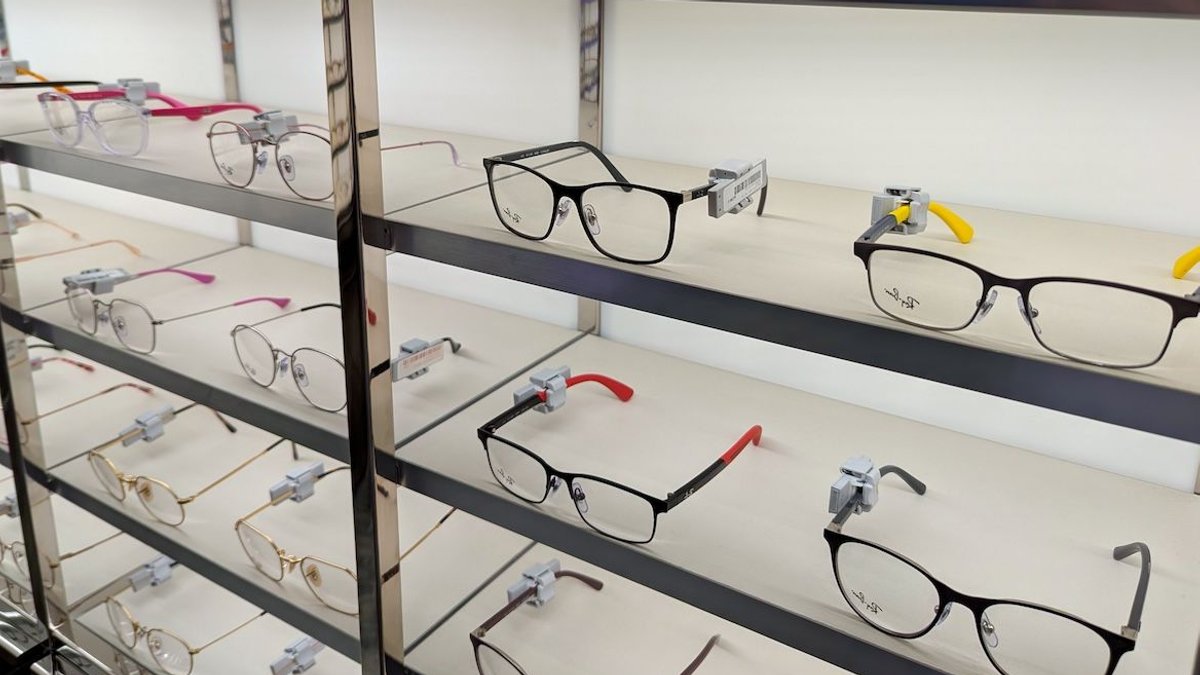
During a recent media trip to France, a participant learned that childhood myopia is far more complex than the simple “nearsightedness” label suggests. The condition affects roughly one-third of Canadian children aged 11 to 13, yet signs often appear much earlier, when kids begin primary school.
Factors that drive myopia in children
Genetics play a major role: a child with one myopic parent faces twice the risk, while having two myopic parents can increase that risk up to fivefold. Researchers say hundreds of genes influence eye development, but environmental triggers determine whether those genes lead to a diagnosis.
Close-up visual tasks are the primary environmental driver. Whether a child is scrolling on a tablet, reading a paperback, or doing homework at a desk, prolonged focus at near distance strains the eye. The “20-20-20” rule—look 20 feet away for 20 seconds after every 20 minutes of near work—is often recommended by eye-care professionals.
Time spent outdoors offers a counterbalance. Natural light appears to signal the eye to grow more normally, and studies link at least two hours of daily outdoor exposure with a slower onset of myopia. “Not all light is equal for myopia control,” said Coralie Barrau, senior photobiology scientist at EssilorLuxottica. “I can say that time spent outdoors has consistently been associated with a delay in the onset of myopia.”
The Canadian Association of Optometrists advises a full eye exam between ages two and five, followed by annual checks. Identifying blurry distance vision before a child adapts can prevent years of missed learning and reduce the need for frequent prescription changes.
While a pair of glasses restores clear sight, it does not halt the underlying eye growth. Progressive myopia can lead to stronger prescriptions each year, increasing the lifetime risk of cataracts, glaucoma and retinal detachment. No current treatment can reverse the condition, so each millimetre of eye elongation adds to future risk.
Interventions that can slow progression
Beyond standard lenses, newer optical solutions aim to curb growth. Specialized glasses, rigid contact lenses and soft daily contacts are all used to manage myopia, with the choice depending on a child’s age, prescription and lifestyle. “Every millimetre of eye growth we prevent reduces the risk of future blindness,” explained Dr. Sarah Grünbaum, pediatric ophthalmologist at the French Myopia Institute in Paris.
Pharmacological options, such as low-dose atropine eye drops, have shown promise in slowing axial elongation. These drops are typically prescribed under close supervision, and their effectiveness varies among individuals.
Related Post: How is Hemp Changing Mental Health Therapy?
From a broader perspective, the surge in myopia cases reflects shifting habits in modern childhood. Screen devices, while often singled out, are just one facet of a larger pattern of near work that has intensified over the past decade. Addressing the issue therefore requires coordinated changes at home, school and community levels, not just a single technological fix.
Schools can also contribute by incorporating brief “visual breaks” during lessons, allowing students to look toward the far wall or window.
In the French pilot program visited by the delegation, optometrists reported that children who combined outdoor activities with the 20-20-20 rule showed slower prescription changes over a twelve-month period. The data suggest that modest lifestyle adjustments can translate into measurable benefits for eye health.
Understanding the eye’s growth
In the visit, the author explained that a healthy eye maintains a roughly spherical shape, allowing light to focus directly on the retina. When the eye elongates, the retina is pulled farther back, creating a mismatch that results in distant objects appearing out of focus. This anatomical shift is the hallmark of myopia and underlies the progressive nature of the condition.
Children who cannot articulate visual discomfort may simply appear inattentive or restless in the classroom, a behavior pattern that teachers sometimes misinterpret as a disciplinary issue. Because the brain can adapt to a blurred image, many youngsters accept their limited distance vision without complaint, which makes routine screening all the more essential for early identification.
Beyond digital devices, any activity that requires sustained focus at a short distance—such as drawing, board games, or extensive homework sessions, places similar demands on the visual system. Professionals stress that the cumulative effect of these tasks, rather than a single source of screen exposure, contributes to the eye’s elongation.
During the French pilot, optometrists highlighted that integrating brief “visual pauses” throughout the school day helped students reset their accommodation, reducing the strain associated with continuous near work. These pauses involve looking toward distant objects or simply closing the eyes for a few seconds, offering a simple, low-cost intervention that can be implemented in any classroom setting.
Implementing myopia-control tools
Specialized optical solutions now include lenses designed to alter the peripheral focus of light, thereby sending signals that discourage further axial growth. While conventional spectacles correct the focal point, these newer designs aim to modify the growth stimulus itself, offering a





Leave a Reply