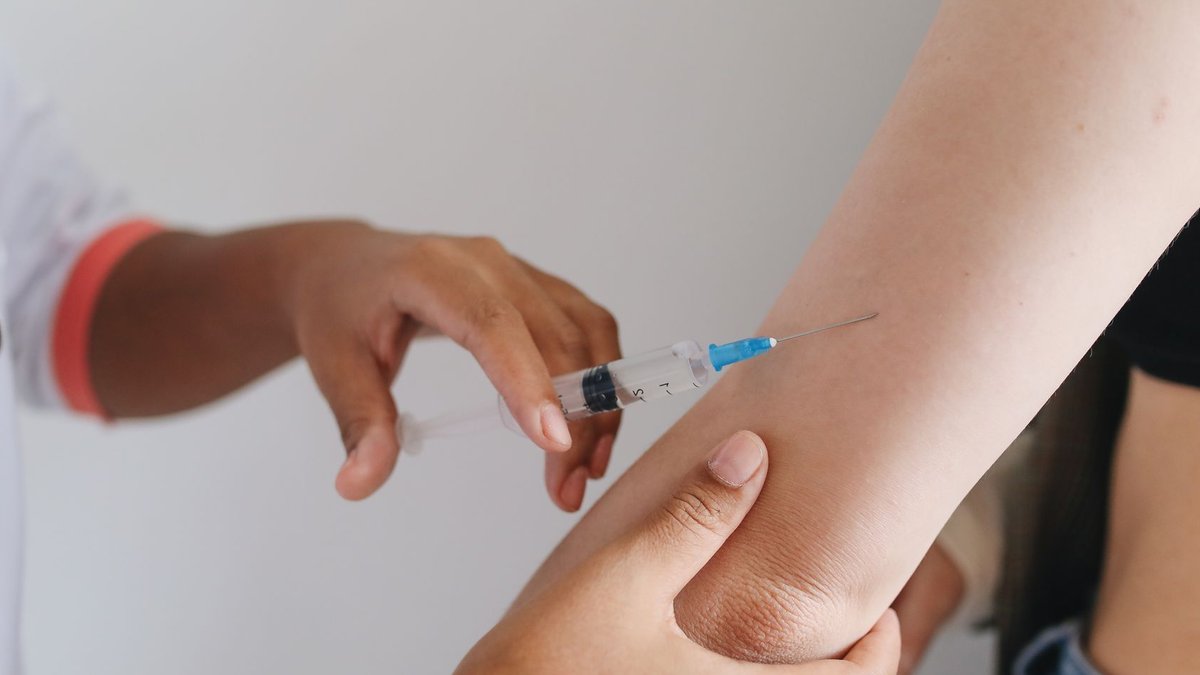
Nearly 55,000 people in South Africa have received lenacapavir, a long-acting HIV prevention injection that offers protection for up to six months with just two doses per year. Known as LEN, the jab has been available through the country’s public health system since June, though access remains limited to roughly one in ten government clinics across six provinces. The remaining regions, including the Free State, Limpopo, and the Northern Cape, are expected to gain access when generic versions become available in 2027.
Reaching High-Risk Communities
The rollout prioritizes groups at higher risk of HIV infection, including teenagers and young women aged 15 to 24, sex workers, transgender women, gay and bisexual men, and pregnant or breastfeeding individuals. Both the daily prevention pill and the six-monthly injection are available free of charge at participating government clinics, giving people living with or at risk of HIV more options for protection.
Administering LEN involves more than a single shot. At the initial visit, a healthcare worker delivers two injections in the abdomen or buttocks, along with two oral doses taken that day and two more the following day. Patients must return between 24 and 28 weeks later for their next round of injections to maintain continuous protection.
Personal Journeys with LEN
Precious Mafanga, a 39-year-old mother of four and peer educator from Langa, received her first LEN injections in June at Delft Community Health Centre. A sex worker who also supports others in her community, she previously relied on the daily HIV prevention pill for several years but struggled with adherence due to the demands of her work.
“With LEN, I don’t have that worry,” she said. “The medicine stays in my body for six months, so I only have to go to the clinic twice a year.” Her experience highlights how the injection’s convenience appeals to those juggling multiple responsibilities, particularly in communities where consistent access to daily medication can be challenging.
Siviwe Gaika, a 24-year-old law student and advocate for HIV prevention in Gqeberha, faced logistical hurdles before receiving his first dose. After multiple visits and lengthy waits, he finally got his injection in July. Gaika documented his experience online, sharing details of the injection process and minor side effects like small bumps under the skin that temporarily affected his ability to wear tight clothing or exercise.
Lindiwe Mqatazana, a 25-year-old waste picker from Gugulethu, chose LEN during early pregnancy after testing negative for HIV. She preferred the injection over the daily pill, which had caused nausea in the past, and appreciated the reduced need to remember doses while traveling.
Expanding Access and Supply
The health department plans to use its own budget alongside a grant from the Children’s Investment Fund Foundation through the Global Fund to purchase more LEN and expand distribution to additional clinics. This funding will help bridge the gap until generic versions become available in 2027, which is expected to lower costs and accelerate rollout across the remaining provinces.
Side Effects and Long-Term Use
Several users reported developing small bumps under the skin at the injection sites. These deposits form as LEN slowly releases into the body over six months. While most users described the lumps as minor and temporary, some found them uncomfortable enough to affect clothing choices or physical activity for several weeks.




Leave a Reply