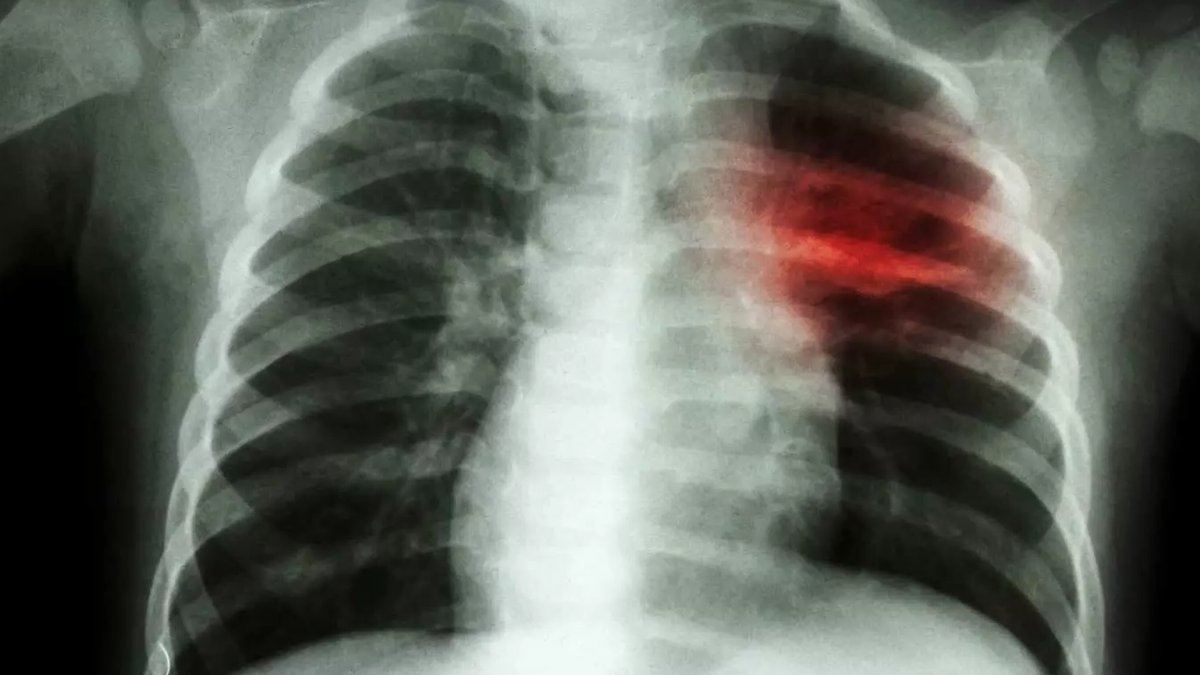
In a study published in the Indian Journal of Chest Diseases and Allied Sciences in September 2026, researchers found that prolonged use of systemic corticosteroids is a key factor in determining hospital stay lengths for patients with acute exacerbations of chronic obstructive pulmonary disease (AECOPD), with patients staying over nine days receiving steroids for an average of 10.11 days, compared to 2.60 days for those with shorter stays (p < 0.001), indicating a potential link between steroid treatment duration and exacerbation severity.
The research, conducted by Dr. Paritosh Joshi from Dr. Joshi Hospital, Dr. Komal D Kaur from Dr. B. R. Ambedkar State Institute of Medical Sciences, and Dr. Varinder Saini, Dr. Deepak Aggarwal, and Dr. Mandeep K Sodhi from Government Medical College and Hospital, evaluated 50 consecutive AECOPD patients at a North Indian tertiary center. The 1.5-year prospective study compared hospital stays of nine days or less to those exceeding nine days, employing standardized GOLD-guided therapy. Exclusions included cases with primary cardiac failure, pulmonary embolism, or pneumonia, and univariate and multivariable linear regression analyses were used to identify independent predictors of prolonged hospitalization.
Key Findings on Hospital Stay Predictors
The study identified several factors associated with prolonged hospital stays. Notably, 32% of admissions required non-invasive ventilation (NIV), with 93.8% of NIV-treated patients (15 of 16) experiencing extended stays compared to 4.3% in the short-stay group (p = 0.039). Additionally, patients with prolonged stays presented with significantly higher baseline partial pressure of carbon dioxide (pCO2) (55.77 ± 17.80 mm Hg vs. 44.95 ± 11.29 mm Hg, p = 0.009) and lower peripheral oxygen saturation (SpO2) (83.14 ± 7.69% vs. 87.95 ± 2.83%, p = 0.044), showing the role of respiratory parameters in predicting hospitalization duration.
Nutritional status and age also played significant roles. Individuals with longer hospitalizations had a lower body mass index (BMI) (21.23 ± 5.45 kg/m² vs. 24.36 ± 3.65 kg/m², p = 0.025) and a lower mean age (62.14 ± 9.36 years vs. 65.91 ± 6.31 years, p = 0.048). Conversely, factors such as smoking history, diabetes prevalence, and total leucocyte count showed univariate associations but lost significance in multivariable analysis, suggesting their limited predictive value in this context.





Leave a Reply