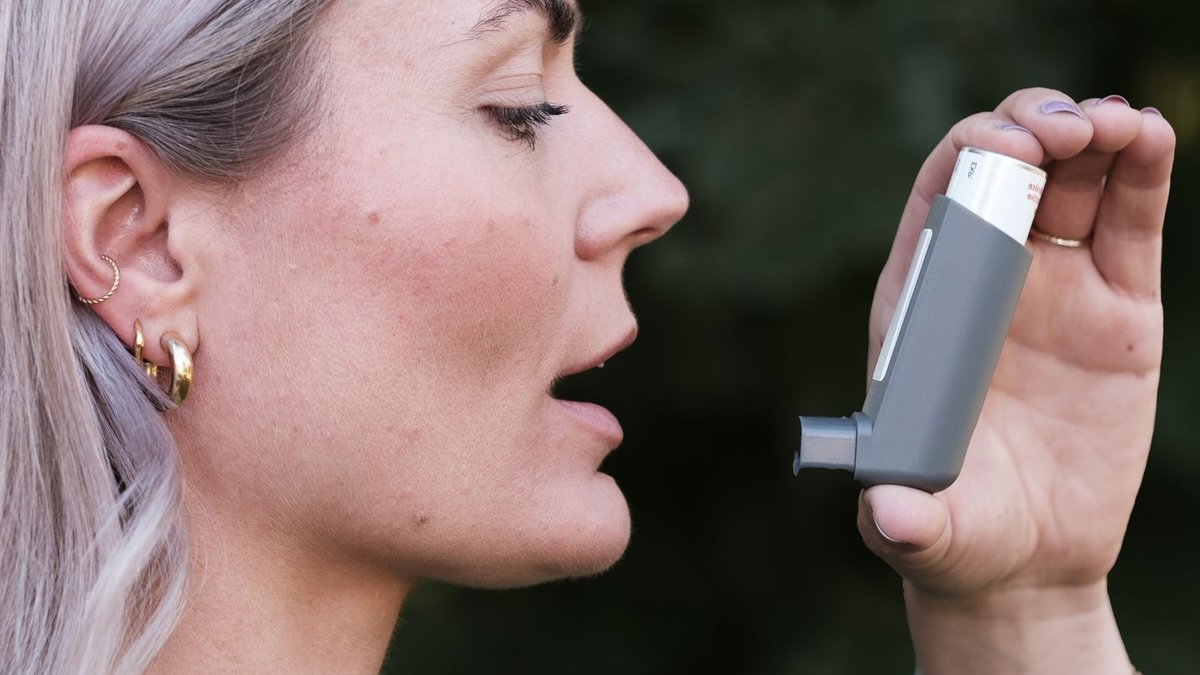
To combat asthma, Medical Home Network (MHN) and its ACO are introducing a program that swaps gas stoves for electric ones in Medicaid patients’ homes. This initiative targets a key environmental risk factor, as asthma-related issues in this group lead to 1,800 emergency department visits annually, costing $3.5 million.
The initiative will integrate stove replacement screening and support directly into primary care for MHN ACO Medicaid patients, leveraging data and care coordinators to identify households most likely to benefit. This will particularly focus on families and intergenerational households with multiple members with severe asthma.
Studies show gas stove exposure is linked to childhood asthma and poorly controlled asthma. One study attributed 12.7% of current childhood asthma in the U.S. to gas stoves. Research from an Ohio pilot program showed a 70% reduction in asthma-related ED visits and hospitalizations after gas stove replacement.
MHN saw an opportunity to build on that evidence in Chicago and test how the intervention could be integrated into a value-based care model. The initiative aims to replace stoves for about 20 households in 2027, with plans to expand as evidence grows.
“At MHN, we think about how to meet people where they are. That means not just ensuring access to medical care, but also addressing things in their environment that make asthma worse,” said Stephanie Liou, M.D., a practicing pediatrician and MHN Medical Director. The program is built into MHN ACO’s care workflows and seeks to address the home environment as part of a treatment plan.
The initiative is supported by MHN ACO’s Clinical Innovation Fund, which reinvests a portion of savings achieved from value-based care arrangements into evidence-based innovations. Yasin Patel, CEO of MHN ACO, said, “We established our Clinical Innovation Fund because we believe savings should be reinvested in bold ideas that improve outcomes for the communities we serve.”
MHN has always partnered with federally qualified health centers (FQHCs), recognizing their value to the safety net. FQHCs take care of over 30 million Americans, with people 65 and older making up the fastest-growing cohort of the patients they serve. The stove replacement program is a key example of how MHN and MHN ACO are working together to address environmental triggers and improve patient outcomes.



Leave a Reply