
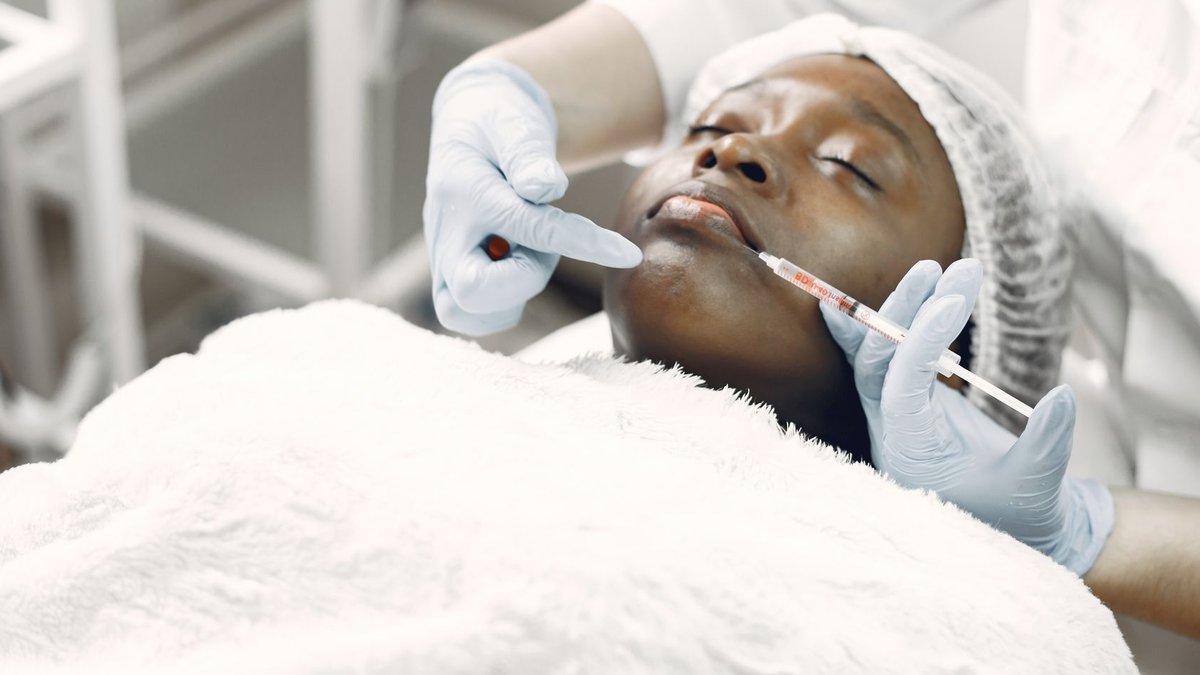
Sub-Q breast cancer treatments are becoming a viable alternative to traditional intravenous infusions, offering patients a different approach to therapy. The medications in these injections contain the same active ingredients as the IV versions, but they are formulated to be delivered under the skin rather than through a vein. Medical experts emphasize that clinical trials have demonstrated these therapies work with the same level of success as their IV counterparts. According to Erin Cobain, MD, a medical oncologist at the University of Michigan Health Rogel Cancer Center, the data regarding their effectiveness is robust.
For many patients, the most immediate benefit of a sub-Q injection is the time saved. Administering trastuzumab or pertuzumab intravenously typically requires about 30 minutes per drug. A combination of these therapies via IV can mean roughly an hour spent in the infusion chair. In contrast, the combination Phesgo subcutaneous injection delivers both drugs simultaneously over a six- to eight-minute period. This reduction in time allows patients to spend less time at the clinic overall and more time away from medical facilities. Additionally, the subcutaneous delivery method means some patients may not need a long-term port for IV access.
Related: Doctors urge patients to log triggers for mastocytosis
While the administration time is significantly shorter than IV infusion, Dr. Cobain notes that patients should not expect the experience to be instantaneous. The injection takes several minutes to complete, which can be surprising for those accustomed to the speed of a flu shot or COVID-19 vaccine. Medical teams often set expectations in advance to ensure patients understand they will still need to sit in the infusion chair for a few minutes.
Availability of these therapies can depend on factors beyond clinical need. Dr. Cobain explained that if a patient is a candidate for IV therapy, they are generally eligible for the subcutaneous version. However, insurance coverage often dictates the final choice. Because the subcutaneous formulations are newer, some insurers may cover the less expensive IV option. This can be a source of frustration for patients and providers alike, though the efficacy of both versions remains equivalent. Doctors advise asking about insurance authorization early in the treatment planning process to avoid delays.
Related: Strength training lowers women’s heart attack risk 44%
While the subcutaneous options currently most commonly prescribed are Phesgo and Herceptin Hylecta for HER2-positive breast cancer, Dr. Cobain anticipates the range of treatments will expand. There has been a recent approval of a subcutaneous version of pembrolizumab for patients with triple-negative breast cancer receiving immunotherapy. Although this specific treatment is newer and used less frequently right now, the trend toward more subcutaneous options is expected to continue.
As these treatments become more widespread, the focus shifts to the patient experience. The ability to choose a therapy that minimizes time in the clinic offers a practical advantage that aligns with the goal of improving quality of life during treatment. The availability of these alternatives represents a shift in how certain cancer therapies are administered, prioritizing convenience alongside proven medical outcomes.



Leave a Reply