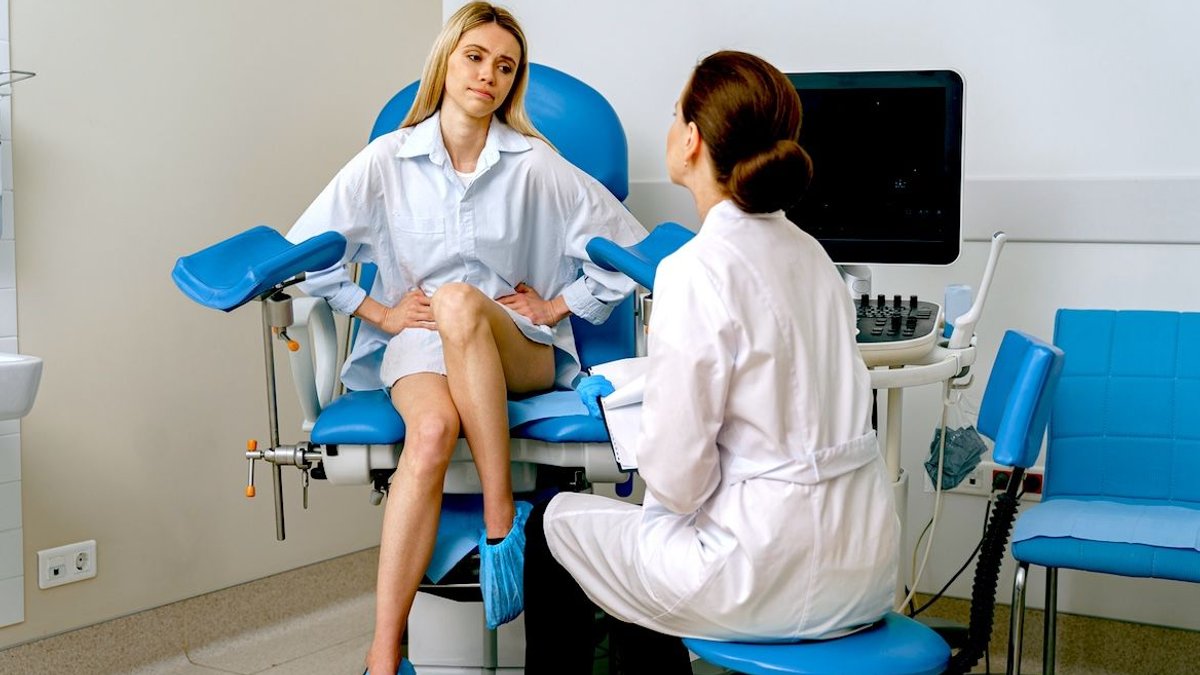
Routine gynecological care is a vital part of preventive health, offering early detection of potential issues, recommended screenings, and support for reproductive and sexual health. However, for many, booking an appointment can be far from routine.
In Canada, nearly one in three women have experienced sexual assault, according to Statistics Canada. An estimated 4.7 million women have faced sexual assault since the age of 15. For survivors, gynecological care can trigger anxiety or retraumatization, creating barriers to essential health services.
Understanding Trauma-Informed Gynecological Care
Trauma-informed gynecological care recognizes that a patient’s past experiences with sexual violence, abuse, or other forms of trauma can shape their medical interactions. This approach is patient-centered, focusing on shared decision-making, safety, empowerment, and healing within the patient-physician relationship.
Research suggests that trauma can have lasting effects on a patient’s health and engagement with healthcare, making physical and emotional safety an important part of trauma-informed care.
A Clinic Built on Trauma-Informed Principles
Naomi Thulien, a researcher, nurse practitioner, and co-founder of Breakwater Clinic in Toronto, has dedicated her career to exploring how trauma intersects with healthcare. After 13 years at Covenant House Toronto crisis shelter, she witnessed firsthand the challenges faced by young people experiencing trauma and homelessness.
In 2021, Thulien established Breakwater Clinic, offering free, trauma-informed primary care to young women who have experienced homelessness. The clinic provides services such as STI testing, birth-control counseling, gender-affirming care, and cervical cancer screening.
Her approach prioritizes making patients feel safe, in control, and empowered from the moment they enter the clinic. She emphasizes giving patients control over their care, offering options and allowing them to decide what they are comfortable with.
For example, a patient might decline certain tests but feel at ease with medication. Thulien works with them to determine what they can manage that day, leaving the door open for future options. “The goal is to leave the door open and keep the patient connected to care,” she said.
Challenges in Maintaining Care Connections
In a 2025 report, the Office of the Federal Ombudsperson for Victims of Crime found that therapists and service providers reported 37% of survivors withdrawing from therapy or support programs. Gynecological care, involving physical touch and intimate examinations, can be particularly triggering for survivors, potentially leading to flashbacks and increased anxiety.
Thulien notes that some patients may avoid care altogether rather than endure lengthy appointments or repetitive, retraumatizing questions. Her method balances clinical guidelines with individual patient needs and comfort.
“There’s the guidelines, the gold standard of what we should do when somebody has experienced sexual assault, and then there’s meeting them wherever they’re at,” she explained.
Expanding Access to Trauma-Informed Care
Trauma-informed approaches allow patients greater control over the pace and nature of their care, reducing retraumatization and supporting autonomy. While these methods are gaining recognition in gynecological care, access to providers who explicitly offer trauma-informed services can vary across the country.
Some clinics specifically identify trauma-informed care as part of their practice, while others offer services or accommodations that may be relevant to survivors, such as trauma-informed pap tests, sexual assault care, or patient-centered gynecological services.
Thulien’s work at Breakwater Clinic demonstrates how trauma-informed care can create safer, more supportive spaces for survivors, ensuring they receive essential health services without fear of retraumatization.
Breakwater Clinic’s model highlights the importance of integrating trauma-informed principles into healthcare systems, addressing the unique needs of survivors and supporting trust in medical settings.





Leave a Reply