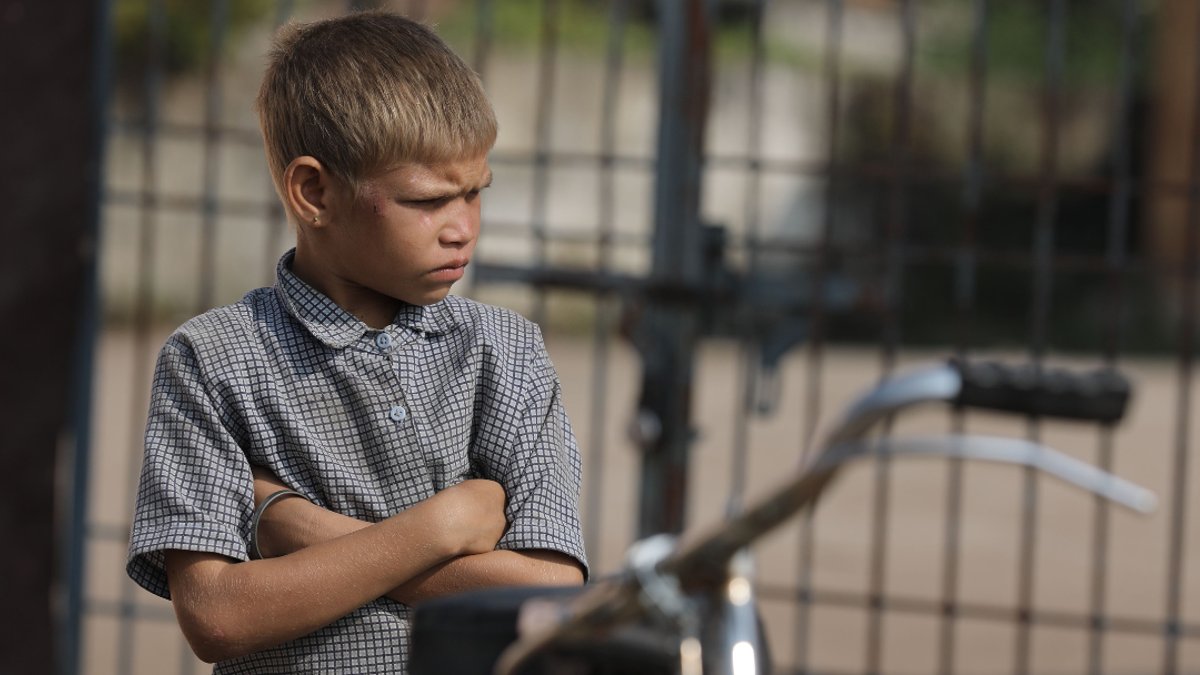
Childhood trauma, poverty, and rigid expectations about masculinity accumulate over time, creating conditions that can lead some men toward violence, according to new research involving South African boys and young men. While most boys exposed to these factors do not become violent, recognizing how risks build suggests opportunities for earlier intervention.
The Roots of a Cycle
James’s early lessons about manhood began with silence. As a child, he endured bullying, sexual abuse by a family friend, and beatings from relatives. At home, he witnessed his father repeatedly assault his mother during arguments. The men in his community also treated women with disrespect, sometimes resorting to violence. The message was clear: a man does not show fear or sadness. Strength meant suppressing emotions, and power came from dominating others.
James is a fictional composite based on recurring patterns in research with South African boys and men. His story illustrates why the country’s persistent violence against women cannot be dismissed as isolated incidents but reflects deeper, systemic influences.
How Risks Multiply
Decades of research have pinpointed key factors that increase the likelihood a boy will later use violence, though no single experience guarantees this outcome. Childhood abuse and neglect, household violence, and community-wide aggression all contribute. Poverty, substance use, and toxic gender norms—such as the belief that men must control women, are entitled to sex, or must resolve conflicts through force—further shape behavior.
These influences reinforce one another. Recent studies of male students at South African universities and colleges reveal young men describing cycles of poverty, absent or abusive fathers, childhood trauma, and exposure to community violence. Many also internalized rigid ideas about masculinity that made vulnerability nearly impossible to express.
Violence as a Path to Belonging
By his teenage years, James felt isolated and craved acceptance. He found it in a gang, where he admired its leaders and sought their approval. Engaging in fights, carrying weapons, participating in robberies, and using drugs became ways to prove his worth—including through sexual violence against women.
Violence provided James with status and connection, filling a void left by emotional suppression. Around the same time, he turned to alcohol and other substances, having never learned to articulate fear, sadness, or shame. Instead, he buried these emotions, unaware of healthier alternatives.
The link between masculinity and emotional repression is critical yet often overlooked in discussions about male violence. Fear, humiliation, anger, grief, and shame do not emerge in isolation; they are shaped by poverty, instability, unemployment, and societal expectations about how men must behave.
When Safety Allows Honesty
Men do discuss fear, shame, and pain; but only when they feel secure. Research with mineworkers in Marikana found that in supportive settings, they openly shared experiences of trauma, including witnessing killings during the 2012 massacre. Similarly, young men in eThekwini’s informal settlements expressed a range of emotions, though what they revealed depended on their perception of masculine norms.
Among male students at universities and TVET colleges, many described campuses as unsafe spaces for vulnerability. They struggled to discuss emotional distress with peers and avoided seeking mental health support. However, in structured therapy groups, men did acknowledge fear and pain, proving that environments, rather than individual willpower, determine whether they can speak openly.
Simply telling boys to “express their feelings” is ineffective without creating contexts where emotional honesty does not undermine their masculinity. Safe spaces must be designed to protect boys and young men from ridicule when they share struggles.
Breaking the Cycle Early
By early adulthood, James’s mental health had deteriorated. Years of conditioning had convinced him that asking for help was a sign of weakness. Even if he had sought support, affordable mental health services were scarce in his community.
Alternative pathways could have altered his trajectory. If, after his abuse, he had found a trusted adult to confide in, if the men around him had modeled healthy masculinity, if he had discovered belonging outside a gang, and if he had learned to view emotions as understandable rather than shameful, his path might have changed. This does not absolve him of responsibility for his actions but highlights where intervention could have made a difference.
Proven Strategies for Change
Research also points to effective solutions. Programs like Stepping Stones and Stepping Stones and Creating Futures use peer-led discussions and role-play to challenge harmful gender norms, redefine relationships, and reduce violence. However, these initiatives must address the realities young men face.
Safe spaces are essential, where boys and young men can discuss fear, grief, failure, and hope without judgment. Mental health support must be integrated into violence prevention efforts, teaching young men to recognize emotions, manage responses, and resolve conflicts without aggression.
Economic factors play a role too. Poverty and unemployment influence young men’s identities and sense of status, pressures that persist beyond workshop discussions. Community organizations need sustained funding to expand proven programs and reach more boys and men.
Seeing the Boy Before the Man
South Africa has declared gender-based violence and femicide a national emergency. Ending it requires protecting women and girls, holding perpetrators accountable, and dismantling systemic power imbalances. But prevention must begin much earlier.
The focus must shift to the frightened child witnessing domestic abuse, the abused boy with no one to turn to, the teenager desperate for approval, and the young man taught that emotion is weakness. Not every boy exposed to these conditions will become violent, but understanding the risks allows for earlier intervention.
The challenge is not just explaining why some men harm women but determining how far in advance society is willing to act.




Leave a Reply