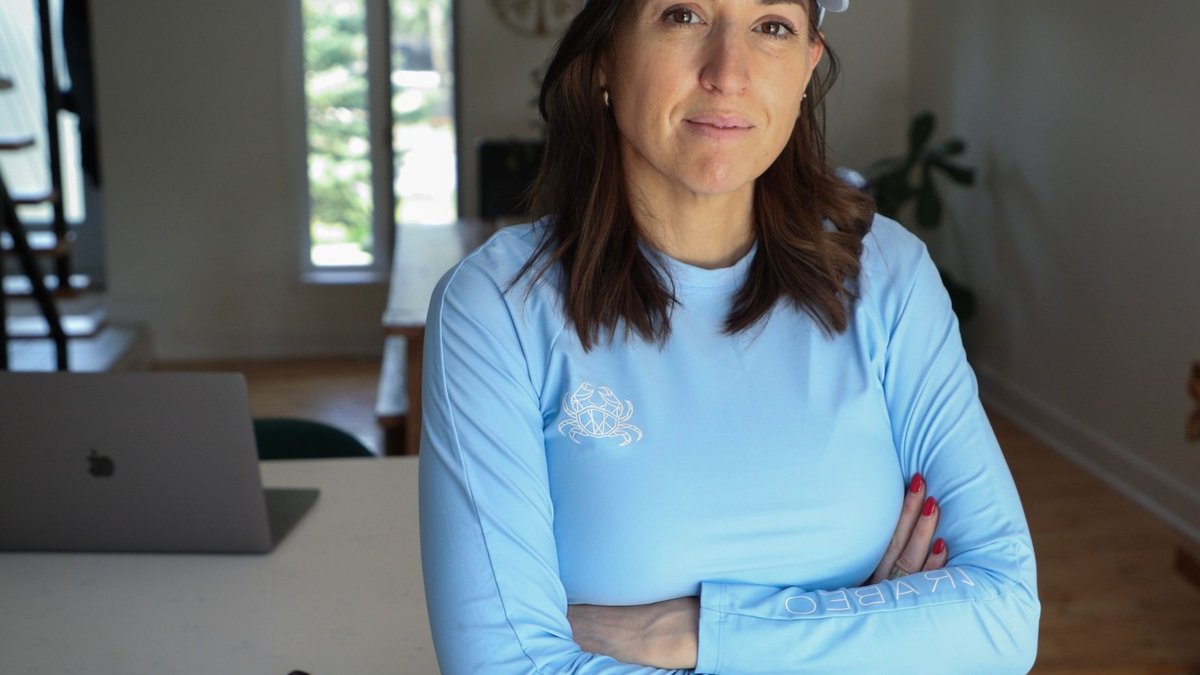
Marie-Ève Richard-Tougas was just 24 when she was first diagnosed with skin cancer. After the cancer was removed, she was monitored over the next 10 years. Eventually, cancer became something she believed was firmly in her past.
She had crafted the future she always imagined: raising two kids with her spouse, operating a thriving photography studio on Montreal’s South Shore, and filling each day with family time, work, and creative projects. “Life was sweet,” she remembers. “Everything was lighter.”
In 2021 she discovered the disease had returned and spread into her lymph nodes. “It scared me,” she admits. “I truly thought I was safe from cancer.” Within days the illness turned into far more than a medical label, reshaping every facet of her existence, requiring surgery, a year-long treatment course, and the constant anxiety that each scan, appointment, or test result could bring.
The Logistical Burden of Cancer Care
“The word ‘cancer’ truly shakes up every aspect of your life,” Richard-Tougas explains. “Your finances, your relationship, your family life, everything.” While the bodily impacts of cancer are widely acknowledged, the everyday logistical strain of treatment often remains unseen.
Coordinating rides, taking leave from work, arranging childcare and spending countless hours traveling to and from appointments typically becomes part of a patient’s routine for months, sometimes years. For Richard-Tougas, experiencing care at home versus in a hospital highlighted just how demanding those logistics can be.
Her initial treatment consisted of an oral drug taken twice daily at home. Although this regimen blended more easily into everyday life, the side effects were severe. “I couldn’t do anything at all, even light housecleaning, without quickly hitting a wall,” she says.
Finding a Treatment Approach that Fits
Later, when the cancer had spread to her lungs, Richard-Tougas began intravenous treatment every three weeks at a hospital roughly 30 minutes from home. This involved blood tests several days beforehand, travel time back and forth, hours waiting at the hospital and uncertainty about how she would feel afterward.
Between medical visits, life kept moving at full speed. Her young daughters still needed transportation to school, household chores continued, and friends and relatives shifted their calendars to accommodate her. She and her husband juggled treatment, employment, and parenting duties. “Everything had to be reorganized around the disease and receiving treatment,” she notes.
Dr. Joel Claveau, a dermatologist based in Quebec who focuses on skin-cancer care, points out that recent progress has not only boosted survival rates but also expanded how some treatments are delivered. “We evaluate the best option in collaboration with each patient,” he states. “It’s always a shared decision.”
Dr. Joel Claveau, a Quebec-based dermatologist specializing in skin cancer care, notes that advances in skin cancer treatment have dramatically improved outcomes, and progress has also extended to how some therapies are delivered. “We evaluate the best option in collaboration with each patient,” he says. “It’s always a shared decision.”
According to Dr. Claveau, medicine may be administered through intravenous (IV) infusion, oral medication or, in some cases, subcutaneous injection beneath the skin. He is quick to add that while not every option is appropriate for every patient or every cancer, “We like to see patients maintain their daily lives while they follow their treatment, and sometimes we need to adapt to their situations.”
Kathy Barnard, founder of Save Your Skin Foundation, who was diagnosed with advanced melanoma more than two decades ago, says a collaborative approach to treatment represents a significant shift from years past. “Nobody was walking us through the process,” she recalls. “It was just, ‘This is all we’ve got.’”
Today, Save Your Skin encourages patients to ask questions, learn about their options and become active participants in decisions about their care. “We know that patient outcomes are better if we have a voice and a choice, and we have support through this journey,” says Barnard.
For Richard-Tougas, learning to ask questions became part of reclaiming a sense of control during an otherwise emotionally exhausting experience. “Let others help you and don’t be afraid to ask questions,” she says. “Take the time to accept your new reality.” Although cancer remains unpredictable, she believes informed conversations can help patients feel more prepared for the journey ahead — not just medically, but personally.
No two cancer patients live the same life, but they all have families and communities, says Barnard. “This is why treatment needs to fit within their lives.” To learn more about treatment delivery approaches that may be available and how to start a conversation with your health-care team, visit mycancermychoice.ca.
For some patients, treatment can be delivered at home, reducing the need for hospital visits. This can help patients maintain their daily routines and reduce the burden of treatment.
Supporting Patients Through Treatment
Kathy Barnard says that Save Your Skin Foundation encourages patients to ask questions and learn about their options. The foundation helps patients work through the system and make informed decisions about their care.




Leave a Reply