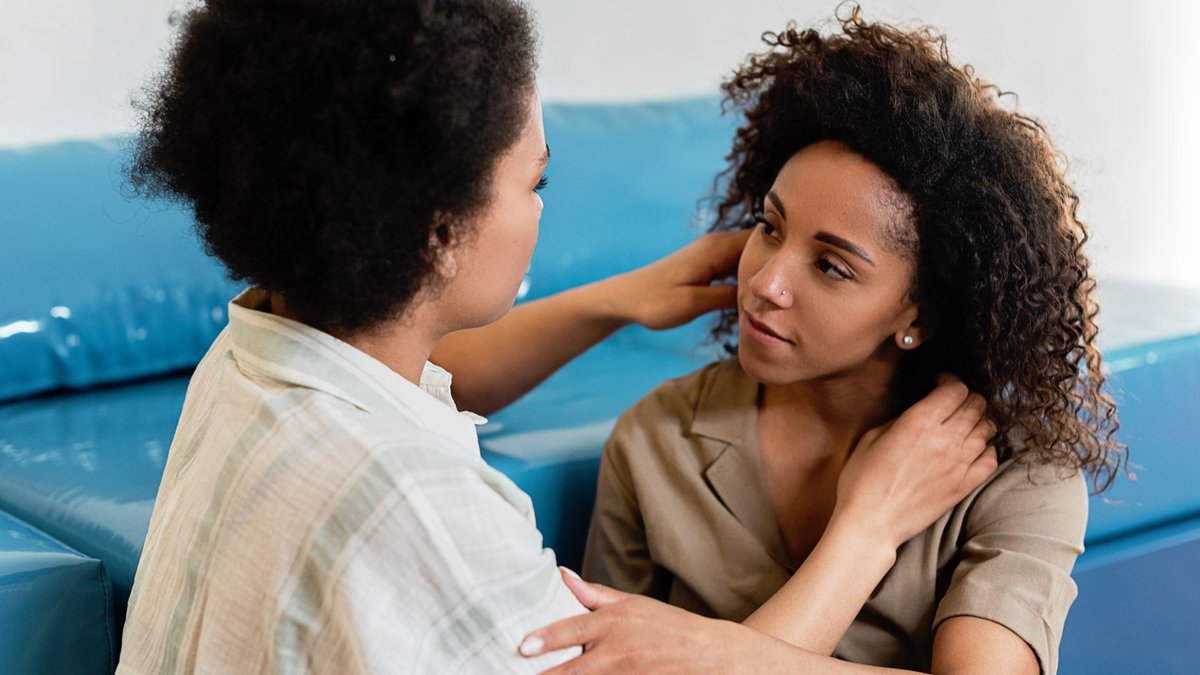
For people living with myeloproliferative neoplasms (MPNs) like myelofibrosis (MF), the physical symptoms can be relentless. But the invisibility of the illness and the feeling of being misunderstood create an emotional burden that is also difficult to bear. For many patients, a support group has become a lifeline.
MPN support groups offer a space for people to share their experiences and connect with others who understand what they’re going through. These groups can be a vital source of emotional support and comfort.
Jean Diesch has run a support group for people living with MPNs, including MF, for decades. She started the group in 2012 with six regulars, and it has since grown to include up to 30 people in virtual get-togethers. The group provides a sense of community and understanding that can be hard to find elsewhere.
According to Jean, the support group has helped people cope with the emotional challenges of living with an MPN. She said, “What has helped most people has been being associated with others living and dealing with the same issues.”
Related: Gynecologic Oncologists Guide Families After Endometrial Cancer Diagnosis
Anemia is a common symptom of MPNs, and it can have a significant impact on daily life. Jean asked members of her support group to talk about their experiences with fatigue, and the responses were revealing. One member said, “With severe anemia, you just can’t function. You have limitations, and it is very emotional and depressing.”
Another member noted that people often misunderstand what fatigue is like for an MPN patient. They said, “Many people just misunderstand what fatigue is for an MPN patient. They think they understand, but you know they don’t.”
The emotional impact of living with anemia can be significant. It can be frustrating and isolating to deal with fatigue and other symptoms that are not always visible to others. Jean and her support group members appreciate the power of coming together to share their experiences and support one another.
As someone who lives with MF and anemia, I can attest to the importance of support groups. The invisibility of our symptoms can cause constant stress, and it’s easy for others to forget that we may be slower or need to rest more often. Support groups provide a safe space to talk about these challenges and connect with others who understand.
Related: Liver Metastasis in Breast Cancer Patients
If you’re living with an MPN and struggling with emotional challenges, it’s essential to seek help and support. This can include talking to your care team about your emotional health, asking for a referral to a social worker or psychologist, or joining a support group.
Don’t be afraid to ask for help or bring up your emotional health with your care team. You have the opportunity to make time for the subject simply by asking.
Support groups like Jean‘s can be a lifeline for people living with MPNs. They provide a sense of community and connection that can be hard to find elsewhere. By sharing their experiences and supporting one another, members of these groups can cope with the emotional challenges of living with an MPN and find comfort in knowing they’re not alone.





Leave a Reply