South Africa began offering the new six-monthly HIV prevention shot, lenacapavir, on 5 June. The rollout has moved quickly, with people arriving at clinics across the country asking specifically for the treatment by name. One clinic in Philippi, Cape Town, has seen patients who do not even know the names of their regular medications suddenly requesting the HIV jab.
A patient cannot simply receive the injection without first undergoing an HIV test. This screening is mandatory because lenacapavir is prescribed to prevent the virus, meaning the person must test HIV-negative to receive it. If the test result is positive, clinic staff direct the individual to HIV treatment rather than prevention services.
Before the procedure, a nurse explains the full range of HIV prevention choices. Lenacapavir is one option, alongside condoms and daily pills. The nurse ensures the patient understands that the shot does not protect against pregnancy or other sexually transmitted infections. Condoms remain necessary for those dual protections.
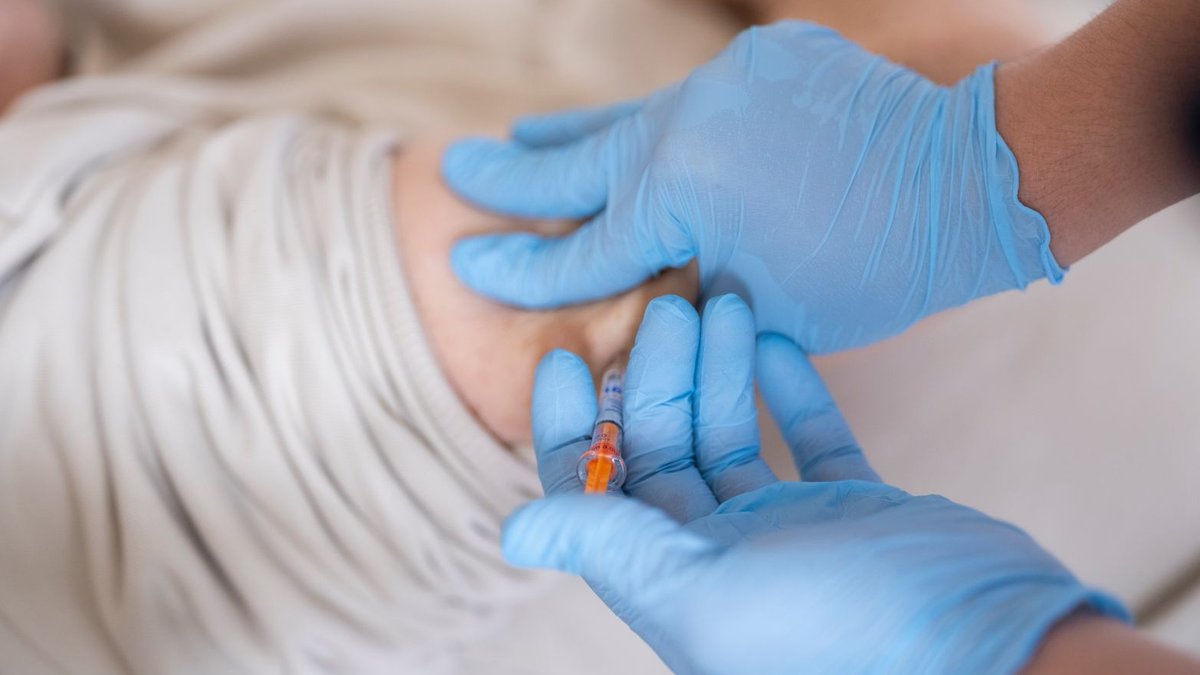
Once the patient is cleared medically, the procedure begins. On Day 1, the patient swallows two tablets and receives two injections into the stomach or buttocks. These two jabs together constitute one dose. The nurse demonstrates the injection site because many individuals have never received a shot in these areas. The injection targets the fatty layer just under the skin.
Read Also: South Africa weighs local HIV jab production costs
After the procedure, the patient remains at the clinic for 10 to 15 minutes for observation. Injection sites often swell or hurt, and small bumps may appear under the skin. These bumps act as storage depots where the drug slowly releases into the body over six months.
The work is not finished after the first day. The next day, the patient must take the second pair of tablets. Nurse Sister Nolufefe Tose advises setting an alarm on a phone to avoid forgetting this step. The four tablets help build the necessary drug levels in the system while the injections begin their work.
By the third day, enough lenacapavir is present to provide protection. The injections sustain this protection for approximately six months. Until then, patients should continue using condoms or other prevention methods.
One month after the initial visit, the clinic schedules a check-up. Staff examine the injection site for any unusual reactions, such as blistering or color changes, and perform another HIV test. This follow-up ensures the patient is tolerating the medication and remains negative.
Read Also: Floods and pollution ravage lives in Nairobi and Johannesburg
Six months later: Jab time again
This is the date you really do not want to forget. Your next lenacapavir injections are due about six months after the first ones. At Phumlani Clinic, the staff sends an SMS reminder to patients. However, it is best to put the date in your phone or somewhere else where you can easily see it.
When you return, you will have another HIV test. If you are still HIV negative and still want lenacapavir, you will get another two injections. You will then be covered for another six months.
Handling changes and travel
Life happens while you are waiting for your next shot. If you are travelling, working away from home, or moving, you should tell the clinic as soon as you can. This helps them keep your records up to date. The Western Cape uses an electronic patient record system. This allows clinics in the province to access your data if you collect your next jabs from a different location.
The process for the rest of the country works in a similar way, though the systems may differ. If you are more than two weeks late for your follow-up injections, the process becomes more complex. You will need to take tablets again along with the injections. If you return within the recommended window, the process is simpler. You simply need two jabs, with no tablets required.





Leave a Reply