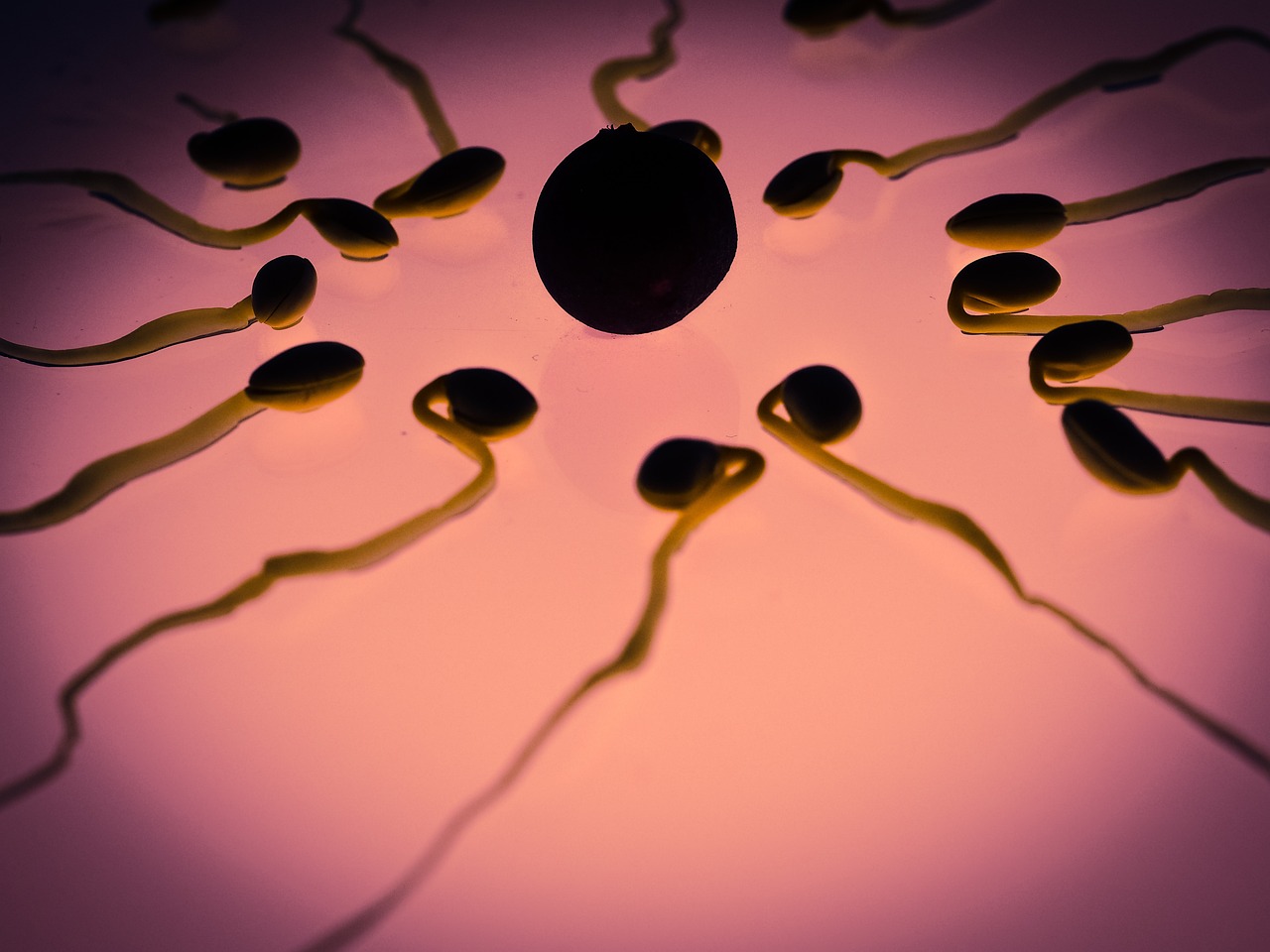
Donating stem cells is a process that can feel unfamiliar to many, but the experience is often less dramatic than it seems. For some, it starts with a simple act: signing up on a registry. One donor, who joined over a decade ago, recalls the moment as a routine part of working at a hospital. At the time, a charity’s outreach effort led to their name being added to a list of potential donors, joining hundreds of thousands of others. The organization, based in the UK, focuses on helping patients with blood cancers and disorders through stem cell and bone marrow donations.
Stem cells themselves are versatile. Unlike specialized cells, they have the potential to become any type of cell in the body. This adaptability makes them essential for treating conditions like leukemia. Researchers also use them to study disease causes and develop new treatments. Despite their importance, the process of donating them remains a mystery to many.
Related: Upper Stomach Pain Causes and When to Consult a Doctor
For the donor, the journey begins with a phone call. Consent is given, and preparations start. A health check follows, involving blood and urine samples, a BMI assessment, and a COVID-19 test. The results, while nerve-wracking to wait for, typically confirm that everything is normal. Once cleared, the next step is preparing the body for donation.
This preparation involves injections of granulocyte colony stimulating factor (G-CSF), a protein that increases stem cell production in the bloodstream. The donor administers the injections themselves, often learning the process from a nurse. The injections cause mild discomfort, but the routine becomes manageable—work, inject, eat, and return to tasks.
Related: 18 foods linked to lower blood pressure
The actual donation happens in a hospital. Apheresis, the method used to collect stem cells, involves drawing blood through one arm, separating the components in a machine, and returning the rest to the body through the other arm. The machine’s hum and whirr may feel futuristic, but the process is painless. Soreness from needle sites and a tingling sensation from blood thinners are common, but manageable with calcium tablets and time.
The procedure lasts about 2.5 hours. During this time, the donor can read, play games, or eat. The main discomfort is transporting food to the mouth, as soup and rice pudding prove more challenging than expected. Afterward, the donor is discharged, and the collected stem cells are sent to a lab for processing.
Related: Mieux comprendre la santé mentale : consulter un psychiatre à Casablanca avec une approche humaine
The experience, while requiring adjustment, is often described as routine. The donor’s account highlights the contrast between the science fiction-like setup and the mundane reality of the process. For those considering donation, the journey may involve injections and a few hours in a hospital, but the impact on a recipient can be life-changing.





Leave a Reply