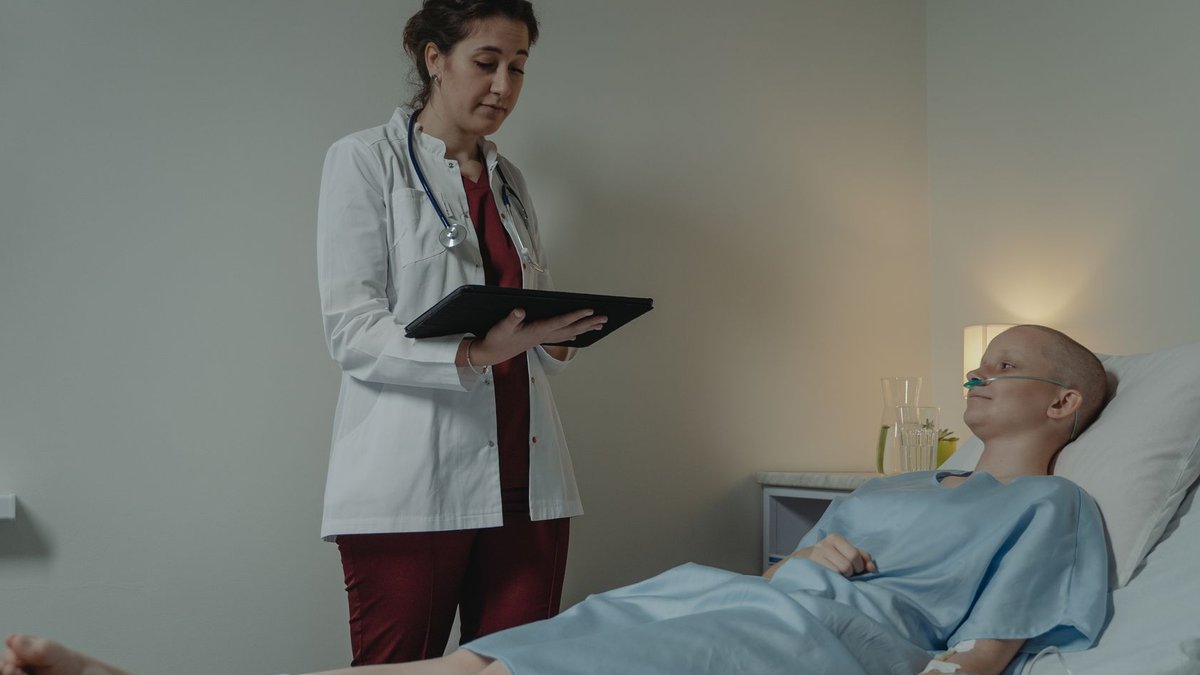
A breast cancer recurrence often feels like a second emotional blow, even years after initial treatment. Fear, anger, and exhaustion frequently follow, though doctors stress that options remain—sometimes more than patients realize.
What recurrence actually means
When breast cancer returns, it involves the same disease reactivating rather than a new cancer developing. Tiny clusters of cells may survive treatment, remaining dormant before regrowing. These cells can travel through blood or lymph systems, appearing in distant organs such as bones, liver, or lungs.
If cancer spreads to other organs, it becomes classified as metastatic or stage IV, though it remains breast cancer. Doctors focus on the biology of the returning cells rather than where they appear.
Three ways cancer can return
Recurrence varies in form. It may occur locally in the breast or chest wall, regionally in nearby lymph nodes, or distantly in other parts of the body. Each type requires a different approach.
For local or regional recurrences, treatment often aims for a cure. Surgery, radiation, and systemic therapy work together to eliminate the cancer. When cancer spreads farther, the goal shifts. “Surgery or radiation for metastatic tumors doesn’t always extend survival,” said Sneha Phadke, an oncologist at the University of Iowa Health Care. Instead, treatments focus on controlling the disease and maintaining quality of life.
Related: Prostate cancer patients get new treatment hope
The difference matters. A patient with cancer in the lymph nodes may face a different path than someone with tumors in the lungs. The biology of the cells—whether they’re hormone-sensitive, HER2-positive, or triple-negative—also determines the available options.
How doctors confirm a recurrence
Symptoms like a new lump, persistent bone pain, or unexplained shortness of breath can indicate a return. Imaging—mammograms, MRIs, CT scans, or PET/CT—helps locate the cancer. For patients with estrogen receptor-positive disease, a specialized FES-PET scan detects cells responsive to estrogen.
A biopsy is almost always required. “We retest biomarkers like estrogen receptor, progesterone receptor, and HER2 status,” said Tingting Tan, a medical oncologist at City of Hope Newport Beach. “These can change over time, so retesting ensures the most effective therapy is chosen.”
For metastatic breast cancer, treatment is rarely uniform. Doctors begin with the cancer’s subtype—hormone receptor-positive, HER2-positive, or triple-negative—and adjust as the disease changes.
Clinical trials provide another option. Some patients access experimental therapies before they become widely available. “Many patients are living longer and better because of these advances,” Tan noted.
Related: Caregiver costs vary widely across the country
Treatment isn’t without challenges. Side effects vary depending on the drug. However, patients taking oral medications often maintain daily routines without frequent clinic visits.
Recurrence means the disease becomes a moving target. Doctors monitor responses, retest biomarkers, and change course when needed.
The emotional impact doesn’t vanish. A recurrence can feel like a setback, but it isn’t the end.
Before the next appointment, patients should write down questions. Where has the cancer returned? Has its biology changed? Which treatments match the subtype? Are there clinical trials worth considering? The answers won’t remove fear, but they can clarify the path forward.





Leave a Reply