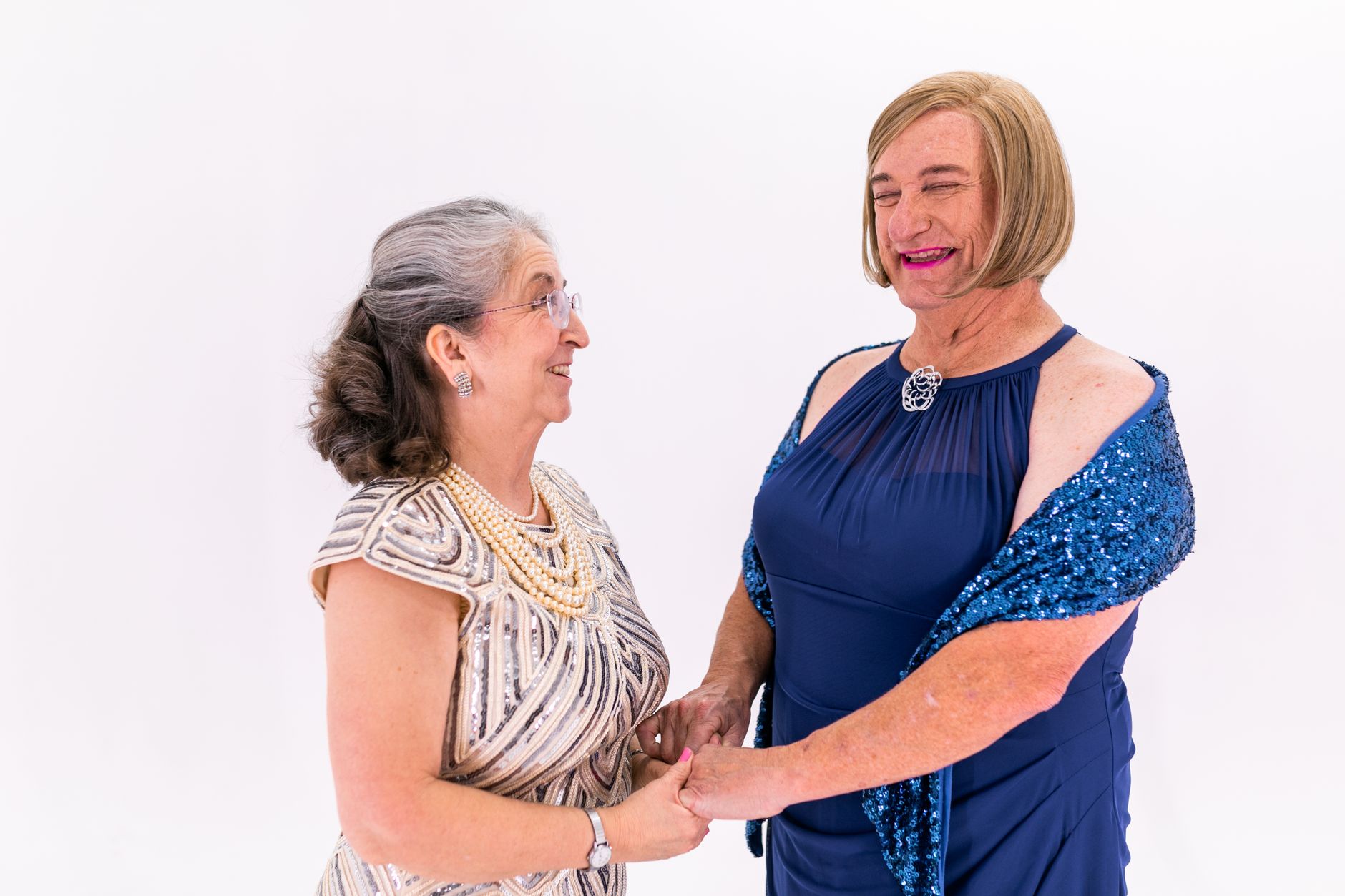
Transitioning without hormones is a viable path for many transgender people who prefer to avoid medical interventions, according to guidance from advocacy groups and health resources.
What social transitioning involves
Social transitioning means adopting the outward expression of one’s gender without the use of hormone therapy or surgery. This can include changing a name, adjusting pronoun use, and modifying appearance. The Beyond Gender Project defines the process as living as one’s identified gender while foregoing medical procedures.
People often start with small changes, such as experimenting with hairstyles. Different lengths, colors, or wigs can help someone discover a look that feels authentic. Hairstylists may offer advice, and online tutorials provide a range of options.
Makeup is another common tool. Foundations smooth skin, mascara adds volume to lashes, and lipstick changes lip color. Tutorials are widely available, and friends or family can also share tips.
Related: 5 things to consider before stopping BP meds
Updating a wardrobe plays a similar role. Accessories like jewelry, bags, and shoes can reinforce a gender presentation. Clothing can be sourced from retail stores, thrift shops, or borrowed from acquaintances, allowing flexibility without major expense.
Prosthetics and other physical aids
Some individuals use prosthetic devices to align their body shape with their gender identity. Breast forms come in various sizes and materials, and many bras now feature pockets designed for such inserts.
DIY options exist, such as filling pantyhose with rice or birdseed to create a custom shape. For those seeking broader hips, padding can be added to the lower torso. These adjustments are reversible and can be tailored to comfort levels.
Wigs and hair extensions offer a non‑permanent way to alter hair length or color. The range of styles available means a person can switch looks to match mood or setting without cutting their natural hair.
Related: How to Compare Tobacco Product Ingredients Before Making Your Next Purchase
In practice, many people find that a combination of visual changes and supportive community resources provides the most immediate sense of alignment with their gender. The flexibility to adjust appearance gradually can reduce pressure and allow for personal experimentation.
Comparing this to earlier decades, the ability to source diverse clothing and makeup online represents a significant shift. In the past, limited options often forced individuals to rely on a narrow set of gender‑conforming garments, whereas today a broader market makes self‑expression more accessible.
Ultimately, transitioning without hormones centers on personal choice. Whether through hairstyle, wardrobe updates, prosthetic use, or name changes, each step contributes to living authentically. Ongoing research may clarify the role of herbs and foods, but current guidance emphasizes professional medical advice before pursuing such measures.
Support networks matter.



Leave a Reply